

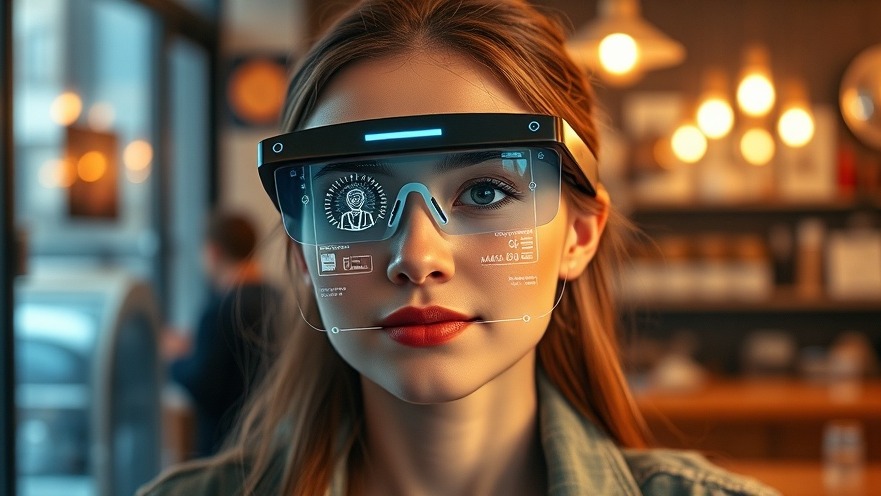
Unpacking the Risks of Smart Glasses and AI
As smart technology becomes increasingly integrated into our daily lives, concerns about privacy and personal data have surged. The latest iteration of wearable tech, smart glasses, raises significant ethical questions about consent, surveillance, and personal data usage. With over 7 million pairs sold, Meta’s smart glasses have catapulted these issues into public discourse, especially following revelations of unauthorized data usage. The exponential growth of these devices indicates a shift towards an era where personal privacy might be compromised in favor of technological advancement.
The Ethics of AI and Surveillance
Smart glasses equipped with cameras, like those produced by Meta and Samsung, blur the lines of privacy. According to Senators Ron Wyden and Ed Markey, individuals are often unaware that they might be unwittingly recorded by a device nearby. The fine print accompanying such technology can be alarming; it specifies that images captured could be used to help improve AI algorithms without any explicit agreement from bystanders. Such practices raise fundamental ethical questions: Is it acceptable to record individuals without their knowledge, especially in sensitive environments like gyms or medical facilities?
Real Case Studies of Privacy Violations
A notable concern surfaced from reports of contract workers in Kenya having access to unredacted footage, sometimes featuring individuals in compromising situations. This has prompted lawsuits from over 70 plaintiffs, highlighting the vulnerability of everyday people in the face of rapidly advancing technology. These scenarios also showcase how traditional privacy laws struggle to keep pace with fast-moving technological innovations, leaving individuals at risk.
The Role of Legislation
As these technologies proliferate, both consumers and lawmakers face a challenging dilemma. Existing privacy legislation may not adequately protect individuals from the implications of smart glasses and similar devices. Senators Wyden and Markey's inquiries into Meta's data practices underscore the need for comprehensive protections that ensure user consent and data privacy. Legislative bodies must adapt quickly to effectively manage privacy in this new landscape or risk leaving consumers unprotected against ubiquitous surveillance.
Rising Technology: A Dilemma for Consumers and Legislation
With Christmas approaching, consumers are likely to be drawn to the latest gadgets—Samsung’s Intelligent Eyewear, for instance, comes just in time for gift-giving season, promising innovative functionality but potentially at the cost of personal privacy. As consumers embrace such technologies, they should consider how these devices might alter their experiences and interactions in public spaces. Understanding the implications of widespread recording could help consumers make more informed decisions this holiday season and beyond.
How to Safeguard Your Privacy
As smart glasses proliferate, consumers should be aware of the implications. Here are crucial steps to ensure personal privacy:
Look for indicators: Many smart glasses come equipped with visible indicators, such as lights, to show when recording is occurring. Awareness of these signals can help you navigate environments where you might feel uncomfortable.
Ask questions: Be proactive in seeking information. If you suspect recording, asking 'Are those recording?' can deter unwanted surveillance and encourage responsible usage of technology by wearers.
Privacy settings: For current owners or prospective buyers, deep-diving into device settings and ensuring secure configurations is essential. Make sure to review privacy preferences to determine what data is being recorded and stored.
Beyond Smart Glasses: The Emerging Landscape of Consumer Technology
This evolving technological landscape isn't only about glasses; it’s about an entire suite of devices such as wearable technology, smart home devices, and voice assistants that are increasingly integrated into our lives. Each new device introduces its own privacy considerations and potential vulnerabilities that need to be addressed. With trends pointing toward larger market adoption, discussions on privacy and ethical technology usage will undoubtedly gain momentum.
As consumers, understanding the implications of these devices and the legislation surrounding them will be vital. Informed decisions can not only protect individual privacy but also shape the trajectory of consumer technology in alignment with ethical considerations. Protect yourself as you embrace the latest consumer electronics this holiday season! The conversation about privacy is ongoing, and technology will continue to evolve, making it essential for consumers to remain engaged and informed.





Write A Comment