
A Wake-up Call: Snapchat’s Speed Filter and Its Consequences
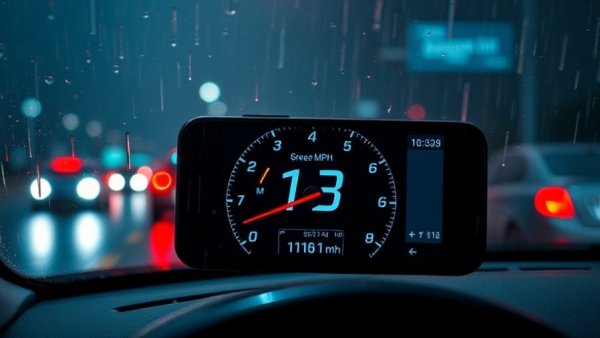
In a world where technology often enhances our daily lives, the recent carelessness displayed by social media platforms can have devastating effects. One such case involves Snapchat's speed filter, which reportedly encouraged dangerous driving behavior among its users. Despite numerous warnings about the filter's role in fatal accidents, the feature remained active until 2021, culminating in a tragic incident involving Wentworth Maynard, a devoted father and husband.
The Incident That Shook a Community
In 2015, a high-speed crash involving Maynard and an 18-year-old driver occurred while the latter was allegedly chasing after high speeds to post on Snapchat. Maynard endured severe injuries and found himself in a prolonged coma, leading to an irreversible decline in his health and memory. His case revealed the real-life consequences of reckless driving glorified through social media. Despite Snap's eventual removal of the filter, the lingering impact of such platforms poses an ongoing threat.
Responsibility in the Digital Era
As consumers of technology, we often forget the implications of our digital habits. Snap wasn't just warned by users; even its employees flagged the dangers associated with the speed filter as early as 2015. Additionally, requests for the removal of the filter went unanswered, raising the question: Should tech companies prioritize user safety over engagement metrics? The reality is, the persistent push for content visibility can lead to dangerous behaviors, as evidenced by TikTok and Instagram trends that encourage risky driving.
Understanding the Risks
It's imperative to engage in open discussions with teenagers about the risks of sharing and promoting dangerous behaviors online. Current technology allows almost instant sharing and impacts daily decisions in profound ways. As parents, it is our duty to educate young drivers about these risks, not just through lectures, but by fostering conversations that provoke thought about the consequences of their actions. Asking questions about the sensationalized content they see on social media will help them reflect on their choices.
Advocating for Safer Practices
The recent lawsuits against Snapchat signal a growing awareness of the role social media plays in shaping behavior and driving culture. However, as consumers, we can advocate for safer technology use from the ground up. Enabling driving focus tools on smartphones or designing a system where teens can signal for help rather than participating in dangerous challenges can foster a safer driving culture.
Moving Toward a Responsible Tech Landscape
To truly embrace a responsible digital lifestyle, we must start with our choices. Encouraging the use of technology that prioritizes safety—like HeyPolo, which helps monitor driving habits—can lead to meaningful changes. Everyone deserves to navigate life without the threat of reckless behavior spurred by the technology we use every day.
Conclusion
As we move into an era where technology often overshadows personal responsibility, understanding the consequences of our choices—both digital and personal—is essential. Sharing Wentworth Maynard's story can inspire crucial conversations about safe driving and the role that technology plays in our lives. Let’s work to promote a digital landscape where technology enhances safety instead of compromising it.



Write A Comment