
The Rise of Fake Online Stores: A Growing Concern for Consumers
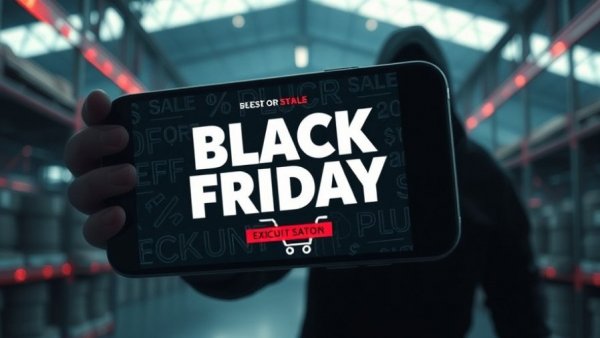
With the holiday season approaching, shoppers are on the hunt for bargains, making it the perfect time for online scams to flourish. Recent reports highlight that Americans lost a staggering $2.1 billion to scams that originated on social media last year, with shopping scams taking the lead. Social media platforms, particularly Facebook and Instagram, are hotspots for these fraudulent activities.
Status Quo: The Appearance of Authenticity
Swindlers are increasingly adept at creating convincing online stores. They exploit the persuasive power of marketing tactics, with attractive ads promising hefty discounts on coveted products. One way they lure consumers is through functionalities that make these websites seem legitimate; from flashy countdown timers to pop-up notifications claiming that others are purchasing items. This masquerade makes it harder for everyday consumers to discern what's real and what's a trap.
Identifying Fake Stores: Key Indicators to Watch For
Before making any online purchase, it’s crucial to be alert for potential red flags indicating a counterfeit store. Beware of:
- Unbelievably Low Prices: If the offer looks too good to be true, it probably is. Genuine retailers rarely discount items by 70% or more.
- New or Unknown Sites: Approximately 40% of fraud sites are less than 90 days old. Conduct a quick online search to check for reviews or reports of scams related to a specific store.
- Suspicious Web Addresses: Websites using unusual extensions, like .shop or .store, can be signs of fraud. Look out for websites that appear to be affiliated with big brands but use unfamiliar URLs.
- Lacking Contact Information: Reputable stores provide clear ways to reach customer service. If you find no phone number or physical address, steer clear.
- Risky Payment Methods: Be cautious of stores that only accept payments via platforms like Zelle, wire transfers, or gift cards. Legitimate retailers typically process transactions through credit cards.
A Tool for Protection: Why VPNs Matter
The fast-paced emergence and disappearance of fake stores make it impossible for consumers to remember each one, which is where tools like NordVPN come into play. This popular VPN includes features that help detect scams and phishing attempts. Users can activate features that check websites against a database of known scams, alerting them to potential dangers before they input any personal information. Utilizing such technology is a proactive step that consumers can take to safeguard themselves in the online shopping landscape.
The Future Is Now: Predictions on Online Shopping Safety
As shopping habits continue to shift more towards digital, consumers should anticipate that online scams will evolve alongside new technology. With the implementation of artificial intelligence in online retail, the design of fake stores will likely become even more sophisticated. However, as technology advances, so do the tools available to combat these threats, meaning consumers have more resources than ever to protect themselves.
Making Informed Decisions This Holiday Season
When faced with enticing offers this holiday shopping season, it’s essential to approach with caution and awareness. By familiarizing yourself with the signs of fraudulent online stores and utilizing protective technologies, you can safeguard your finances while navigating the digital marketplace. Take your time while shopping online, and always prioritize security over the thrill of a great deal. Remember, it's better to miss out on a questionable discount than to lose hard-earned money to fraud.
As we navigate this new age of consumer technology, especially during the holiday shopping season, your safety should always come first. Prioritize checking for signs of scams before making that purchase. For insights on emerging technologies in consumer electronics and tips on maintaining online safety, stay informed.





Write A Comment