 Add Element
  Add Row

Hook: Did you know that San Antonio’s GDP grew by more than 12% in the past three years—outpacing most other large Texas cities and surprising many market observers? This kind of growth signals a city on the move, but the full story of San Antonio’s economic outlook and growth trends is as nuanced as it is promising. As new chapters in economic evolution unfold, San Antonio emerges as a compelling study in both opportunity and complexity. Let’s explore what these trends really reveal about the city’s trajectory and the fortunes of its people.
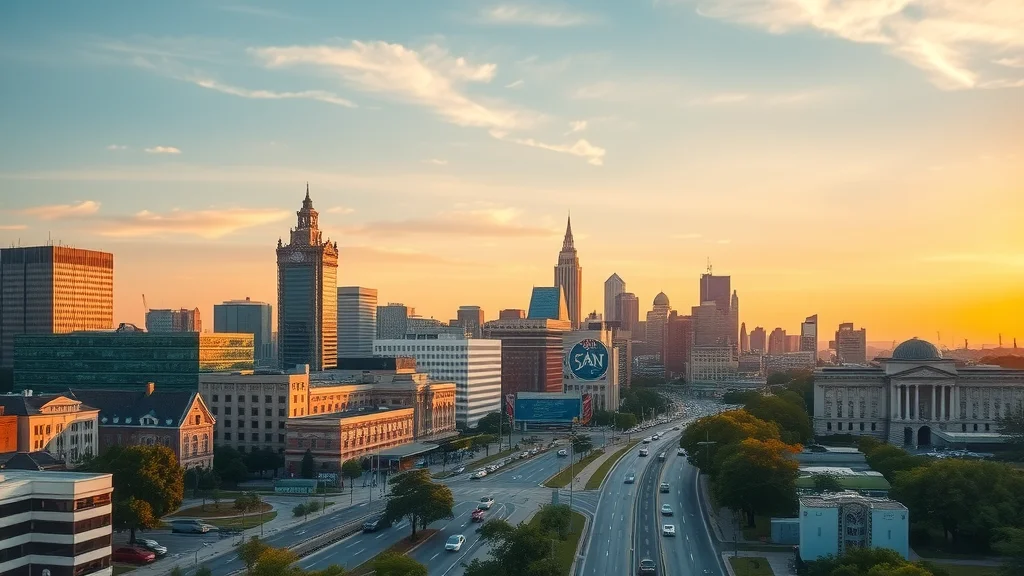
Unveiling the Economic Outlook and Growth Trends - San Antonio: A Surprising Start
San Antonio’s economic outlook and growth trends have defied conventional wisdom in recent years. According to recent federal reserve and bureau of labor statistics data, the San Antonio metropolitan area not only rebounded faster than the national average post-pandemic but has consistently ranked among Texas’s top economic performers. The city’s unemployment rate now hovers at around 3.8%, dipping beneath the state and national benchmarks for much of the past year. Notably, sectors like health services, cybersecurity, and tourism are driving robust job creation and economic output, even as market conditions across the United States remain unpredictable.
What sets San Antonio apart is its resilience. The labor force in the region has steadily expanded, not only recapturing total nonfarm employment lost during the downturn but surpassing previous estimates by a remarkable margin. From bustling downtown developments to the continued influx of new residents, the economic activity on the ground often outpaces headline forecasts. Early 2024 figures reflect upward momentum, with new businesses opening at the fastest rate since 2015. For both investors and residents, it’s a narrative well worth paying attention to—and one that challenges popular assumptions about where the economic action truly is in Texas.
As San Antonio’s economy continues to diversify and attract new residents, the city’s vibrant cultural scene also plays a significant role in shaping its appeal. For a closer look at how local events and traditions contribute to the region’s unique economic and social fabric, discover the impact of community celebrations like the Krampus Masquerade Fundraiser in San Antonio.
What You’ll Learn from This Analysis of Economic Outlook and Growth Trends - San Antonio
San Antonio's projected economic timeline and growth trends
Key sectors driving economic evolution
Challenges and potential opportunities for investors and residents
Personal perspectives and forecasts based on current data
Understanding the Economic Outlook and Growth Trends - San Antonio: A Historical Lens
San Antonio’s economic journey has been a tale of transformation. In the late 20th century, the city’s economy was heavily anchored by federal government and military spending. However, the last two decades have seen several key inflection points—including the rise of biosciences, the tech corridor along Loop 1604, and a renewed real estate boom—steering San Antonio toward greater diversification. When the federal reserve made sweeping policy changes in the early 2000s, San Antonio’s traditionally stable sectors managed to buffer it from the shocks felt elsewhere. As a result, the city’s economic output has become less vulnerable to external shocks and more reliant on local innovation and workforce upskilling.
“San Antonio’s economic resilience has time and again surprised market analysts.” – Regional Economist
Unlike the boom-and-bust cycles seen in other metropolitan areas, San Antonio continues to leverage a unique blend of legacy industries and new growth drivers. The result? A city that moves forward steadily, its economic trajectory shaped by both its historic strengths and its capacity for reinvention. These patterns inform today’s positive—but cautious—economic outlook.

San Antonio’s Current Economic Outlook: The Data and My Perspective
The latest economic outlook reports present an encouraging yet complex picture for San Antonio. Employment data from the bureau of labor statistics highlight a steady climb in labor participation and seasonally adjusted job openings, particularly in sectors like education and health services and construction. The Federal Reserve notes that while inflationary pressures persist, San Antonio is weathering volatility better than many peer metros.
From my perspective, these trends reflect more than numbers. Growth in cybersecurity, healthcare, and advanced manufacturing is driving improvement in wage levels and business sentiment. At the same time, concerns linger about cost of living increases and the ability of local infrastructure to keep up. Market conditions suggest a city leaning into innovation yet mindful of its need for strategic planning. For business leaders, now is a pivotal time to capitalize on San Antonio’s uniquely diversified economic base while preparing for the potential pitfalls ahead.
Examining Growth Trends - San Antonio: Sectors to Watch
Healthcare & Bioscience expansions
Cybersecurity and tech corridors
Construction and real estate development
Tourism, hospitality, and military contracts
The heartbeat of San Antonio’s future economic activity lies in its dynamic sectors. Healthcare and biosciences, fueled by world-class institutions like the South Texas Medical Center, are a primary engine behind job growth and innovation. The city’s technology sphere—bolstered by a growing cybersecurity footprint and significant federal contracts—has drawn national attention for its rapid expansion and workforce development. As new tech and bioscience companies settle here, business leaders project a multiplication of high-skilled jobs in both public and private sectors.
Meanwhile, construction and real estate development reveal a city literally building for the future. New residential, commercial, and mixed-use projects abound, offering direct channels for investment and employment. Tourism and the hospitality industry also continue to surge, supported by deep-rooted cultural attractions and a robust calendar of events. Military contracts—especially those secured around Joint Base San Antonio—help buffer the region from economic shocks. Together, these sectors paint a picture of resilience, but they also demand ongoing vigilance in talent pipeline development and infrastructure fortification.

San Antonio’s Unemployment Rate and Workforce Dynamics in the Context of Economic Outlook and Growth Trends
San Antonio continually demonstrates its ability to maintain lower unemployment rate figures than state and national averages—a testament to the adaptability of its workforce and the diversity of its economy. According to the bureau of labor statistics, the city’s seasonally adjusted unemployment marked a recent low at 3.8%, outperforming both the Texas and United States averages through most of 2023 and early 2024. This positive performance is supported by steady labor force growth, as educational institutions and industry partners collaborate to upskill residents for careers in evolving sectors.
Despite these strengths, attracting and retaining high-level talent remains an ongoing challenge. As the demand for tech workers and healthcare professionals grows, San Antonio faces competition from larger metros. However, targeted workforce initiatives—such as dual-credit vocational programs and public-private partnerships—aim to increase local retention and improve skill match efficiency. Whether these efforts will be sufficient to meet projected needs in the next decade remains a central question for the region’s economic outlook and growth trends.
Comparison of San Antonio’s Unemployment Rate to Texas and US Averages (2020–2024) | |||
Year |
San Antonio (%) |
Texas (%) |
US (%) |
|---|---|---|---|
2020 |
7.5 |
7.7 |
8.1 |
2021 |
5.6 |
5.9 |
6.1 |
2022 |
4.0 |
4.2 |
4.4 |
2023 |
3.8 |
4.1 |
4.0 |
2024 (YTD) |
3.8 |
4.0 |
4.1 |
Housing Market Insights as Drivers of Economic Outlook and Growth Trends - San Antonio
San Antonio’s housing market has become both a beacon of opportunity and a source of concern. As population growth accelerates, single-family home prices have surged—yet they remain markedly more affordable than in Austin or Dallas. Data show that despite repeated mortgage rate hikes, home sales volume in the metropolitan area continues to outpace the national average. This unique equilibrium has attracted young families and professionals in search of better value, but the city is not immune to the pressures of rapid expansion.
“San Antonio’s housing market remains one of its brightest opportunities—but also a growing concern.” – Local Realtor
On one hand, the region’s affordable market conditions spur construction and support healthy economic activity. On the other, the pace of new builds is projected to decline as infrastructure struggles to support new residential clusters. Tight inventory, combined with wage pressures, could make housing unaffordable for essential workers unless local policy and planning catch up. In this way, the housing market is both a driver and a key pressure point in San Antonio’s economic outlook and growth trends.

Population Growth and Demographics: Shaping Economic Outlook and Growth Trends in San Antonio
Few American cities have experienced the population growth that San Antonio has in the past decade. From 2020 to 2023 alone, the city added over 40,000 new residents, according to metropolitan area census data. Migration patterns—especially from California, the Midwest, and international arrivals—have diversified San Antonio’s workforce and consumer base. These demographic changes are remaking schools, neighborhoods, and business districts, setting the stage for rapid but uneven growth in San Antonio.
This evolving population composition fuels economic activity across retail, education, and healthcare. However, it also strains public infrastructure and services. Meeting the needs of a more diverse and rapidly expanding community will require new approaches to everything from education and health services to transportation and housing. For San Antonio, population dynamics are both a catalyst for innovation and a critical variable in the city’s long-term economic trajectory.
Opportunities and Challenges: A Critical Analysis of San Antonio’s Economic Outlook
Infrastructure development needs
Healthcare access disparities
Tech workforce pipeline
Cost of living versus wage growth
San Antonio’s potential is undeniable, but challenges must not be underestimated. The need for robust infrastructure—roads, utilities, broadband—is acute as development pushes outward. At the same time, the healthcare system faces pressure to expand access and reduce disparities, especially in under-served neighborhoods. The growing tech workforce pipeline is encouraging, but wage growth must keep pace with housing and living costs to retain talent. As the economic output improves, the risks of imbalance—between affordability and expansion, innovation and accessibility—become more pronounced.
On the opportunity side, the city stands poised to benefit from state and federal investment in next-generation infrastructure and workforce training. Smart policy choices now could lock in resilience for decades, but only if leaders address these issues head on. The era of ‘steady as she goes’ is ending; San Antonio must innovate boldly and inclusively to ensure long-term economic well-being.
Key Sectors Powering Economic Outlook and Growth Trends - San Antonio
The pillars of San Antonio’s economy remain strong but are undergoing meaningful shifts. Military and federal government operations form the backbone—anchored by Joint Base San Antonio, one of the largest military complexes in the United States. The city’s tourism sector—built around the River Walk, Alamo, and an ever-expanding menu of attractions—injects billions annually into the local economy. Healthcare and biosciences are quickly overtaking traditional sectors as the city’s biggest job creators, while manufacturing and technology are delivering crucial economic diversification. In education and health, world-class research institutions strengthen both talent pools and economic output.
However, each of these sectors faces vulnerabilities. Military spending is susceptible to federal budget shifts. Manufacturing must contend with global supply challenges. As for tourism, external shocks such as pandemics or climate events can quickly undercut revenues. The promise, though, is real: with continued focus on workforce development, tech innovation, and sustainable growth, these sectors will remain the engines of San Antonio’s economic outlook—if risks are managed with foresight.

Witness the numbers and trends firsthand: Below is a visual summary presenting the latest data, sector highlights, and expert forecasts for San Antonio’s economic outlook and growth trends.
People Also Ask: What is the economic outlook for San Antonio Texas?
Looking ahead, San Antonio is projected to experience continued economic expansion in both the short and mid-term, assuming national market conditions stay stable. The city’s broad sector diversity—spanning federal government, tourism, education, and technology—blunts risk from any one industry’s downturn. Most recent city reports suggest job and business growth will beat the state average, though wage gains could lag for lower-income workers if the labor force isn’t upskilled quickly. Put simply, the forecast is positive, but real challenges must be addressed to ensure all residents benefit from San Antonio’s growth trajectory.

People Also Ask: What is the projected growth of San Antonio Texas?
Population and job growth projections for San Antonio are robust, with estimates suggesting the city could top 1.7 million residents by 2030 if current trends hold. Employment is expected to outpace the national average, particularly in tech, healthcare, and services. While population growth is a powerful economic engine, it brings with it demands for housing, schools, and public infrastructure that will require careful, coordinated planning. If the city manages migration and development wisely, these forecasts could well be realized—but the reliability of projections will hinge on economic output remaining steady amidst shifting national forces.
People Also Ask: What is the main economy of San Antonio Texas?
San Antonio’s main economy is an interconnected web of military, tourism, healthcare, and technology sectors. The military presence guarantees a degree of stability not seen in most other metros, while tourism weaves through the city’s DNA, providing consistent revenue and seasonal employment. Healthcare and biosciences now offer the fastest employment growth and are spurring new business formation. Technology—especially cybersecurity—has become a magnet for startups and federal investment, ensuring San Antonio has a foot firmly in the future. The cross-pollination of these sectors ensures both resilience and an array of opportunities for jobseekers and entrepreneurs alike.
People Also Ask: What are the biggest issues in San Antonio?
While San Antonio’s economic outlook remains largely positive, significant issues persist. Income disparity, housing affordability, infrastructure strain, and questions about environmental sustainability top the list. As the city grows, traffic congestion, limited public transit options, and water resource management create mounting pressure. Addressing these systemic challenges—especially for vulnerable populations—will be crucial for maintaining both economic vibrance and quality of life. How San Antonio navigates this balance will determine whether its growth story remains a success—or becomes a cautionary tale.
Lists: Key Takeaways on Economic Outlook and Growth Trends - San Antonio
San Antonio’s economic outlook is generally positive, but imbalances exist.
Strong sector diversity provides resilience, yet also requires careful workforce planning.
Population and business growth are poised to outpace state averages.
Challenges like housing and infrastructure could undermine otherwise strong prospects.
FAQs about Economic Outlook and Growth Trends - San Antonio
How is San Antonio addressing economic challenges post-pandemic?
The city is deploying targeted recovery funds, investing in workforce upskilling, and expediting infrastructure upgrades to mitigate economic shocks and build resiliency, as employment data and federal government initiatives suggest.What opportunities exist for new businesses?
Booming sectors like tech, construction, and healthcare offer fertile ground for startups, with support from business incubators and city-backed grants fueling entrepreneurial activity.How does the local government support economic diversification?
Through incentives for innovation hubs, cross-sector partnerships, and funding workforce development programs, San Antonio is actively broadening its economic base.What sectors are projected for the highest growth?
Healthcare, biosciences, cybersecurity, and advanced manufacturing are projected to see the highest employment and output growth, outpacing previous estimates.Is San Antonio’s economic outlook recession-proof?
While the city’s sector diversity offers more stability than most, no economy is truly recession-proof. Strategic planning and smart policy are required to maintain robust economic output and labor force engagement during downturns.
Hear from local economists and civic leaders as they share insights on the hurdles and opportunities San Antonio faces in its climb toward greater economic prominence, highlighting both pitfalls and the city’s recipe for resilience.
Final Thoughts on Economic Outlook and Growth Trends - San Antonio
San Antonio’s economic outlook is bright, shaped by sector diversity and constant adaptation, but future success hinges on tackling emerging disparities and investing in sustainable growth.
San Antonio’s story is one of dynamic growth, cultural vibrancy, and evolving opportunity. As you consider the city’s economic outlook, remember that its future will be shaped not only by data and policy, but also by the energy of its people and the traditions that bring them together. Exploring how local events and community engagement fuel both economic and social progress can offer a deeper understanding of what makes San Antonio unique. For those eager to see how celebration and commerce intersect in this thriving city, take a moment to explore the broader impact of signature festivities such as the Krampus Masquerade Fundraiser—and discover new ways to connect with the pulse of San Antonio’s ongoing transformation.
Continue Your Exploration: Connect with Local Experts on Economic Outlook and Growth Trends – San Antonio
If you’d like to go deeper, reach out to local officials, economic development organizations, and industry experts. Engage in the conversation—and help shape the future of San Antonio’s remarkable growth story.
For a closer, official perspective, the City of San Antonio's portal is a comprehensive resource for economic updates, business opportunities, and long-term planning initiatives directly from local government. Additionally, San Antonio Living provides comparative insights into economic and urban growth trends across major Texas cities, helping readers benchmark San Antonio's trajectory within a broader statewide context. If you’re serious about understanding the economic outlook and growth trends in San Antonio, these resources will give you authoritative data and diverse perspectives to guide your decisions.


Write A Comment