 Add Element
  Add Row

A Surprising Look at San Antonio Economic Development Today
Did you know San Antonio’s population has surged by over 15% in just the last decade? While this South Texas city enjoys a reputation as one of the fastest growing metro areas in the United States, few realize the multifaceted forces fueling its expansion.
San Antonio ranks among the fastest growing cities in the U.S., but few realize the multifaceted forces fueling its expansion.
Startling fact: San Antonio's population has increased by over 15% in the last decade, one of the highest national rates.
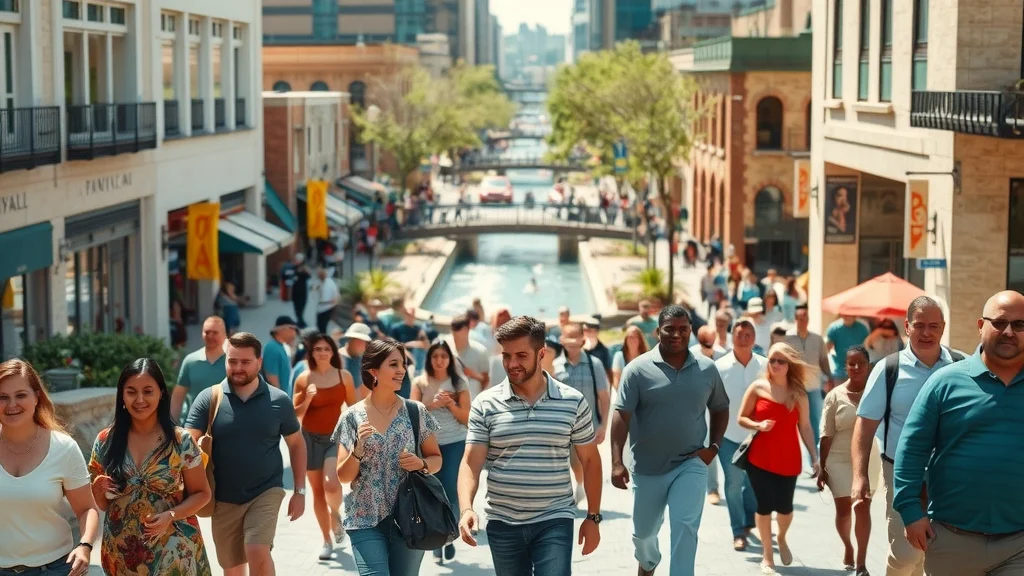
The result? A city with a booming economic base, ever-evolving quality of life, and a unique blend of tradition and ambition
For a deeper look at how community initiatives and local leadership can shape a city’s trajectory, you might find it insightful to explore stories of empowerment and resilience, such as Tina Knowles’ journey of healing and empowerment. These narratives highlight the broader impact of strong community values on regional development.
What You’ll Learn About San Antonio Economic Development
How San Antonio economic development is shaped by public and private investments
The role of major employers and community development initiatives
Challenges confronting San Antonio’s ongoing economic growth
Key facts about why San Antonio is considered a fastest growing city
Foundations of San Antonio Economic Development: Historical and Current Perspectives
The city’s rise as an economic development powerhouse did not happen overnight. San Antonio’s history is steeped in diverse influences—from early military installations to modern tech hubs and world-renowned health care institutions. Over decades, sustained community development and thoughtful investment policies have created the foundation for today’s thriving economy. The transformation is visible not just in the city’s skyline but in the livability and opportunities felt throughout Bexar County and the surrounding growing small towns and supports within the San Antonio metro area.
Current data show remarkable growth in population, income levels, and infrastructure. Large economic drivers, including the military bases, medical sector, and tourism, have been joined by tech companies, renewable energy firms, and advanced manufacturers. At the same time, the city government has implemented key incentives and support programs designed to attract investors, promote workforce development, and integrate underserved communities into the economic fabric. These coordinated efforts are what turned San Antonio into a beacon of economic and population growth, with ripple effects seen in neighboring Medina County and throughout South Texas.
San Antonio as an Economic Development Hub: Growth Drivers
Major employers: military, health care systems, tech sector leaders, and tourism powerhouses fuel job creation and bring national attention to the region.
Community development projects: Initiatives such as the River Walk expansion, new housing developments, and downtown revitalization strengthen neighborhoods and enhance community impact.
Key policies and government incentives: Tax breaks, workforce training grants, and innovative public-private partnerships stimulate investment and secure San Antonio's status among the fastest growing cities in the United States.
Historical vs. Current Economic Metrics for San Antonio |
||
Metric |
2000 |
2025 |
|---|---|---|
Population |
1.14 million |
1.56 million |
Job Creation (annual) |
+14,000 |
+34,000 |
Median Household Income |
$34,000 |
$56,000 |
Annual Investment Inflow |
$2.1 billion |
$8.5 billion |
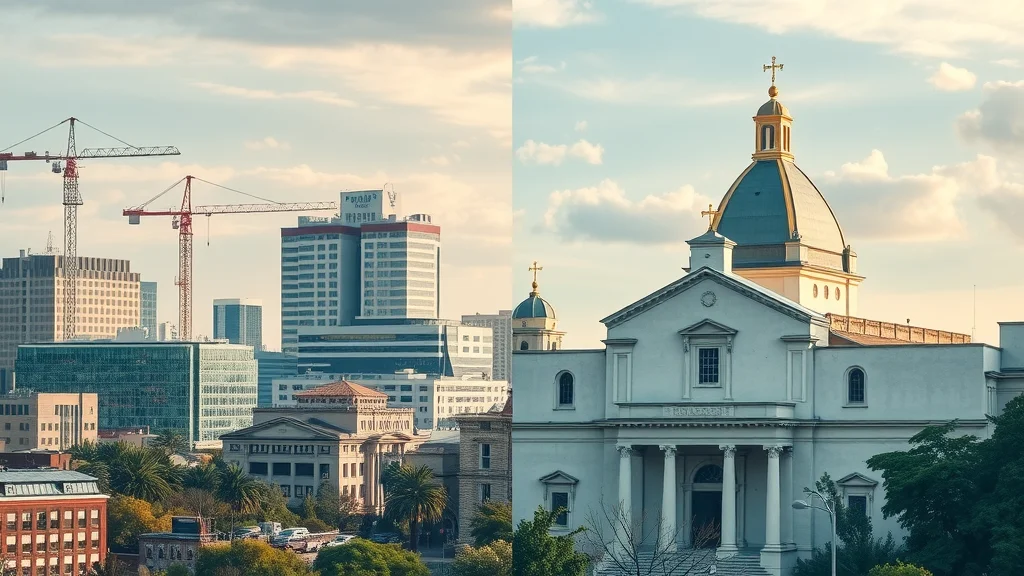
The Fastest Growing Sectors in San Antonio Economic Development
Several sectors have emerged as the linchpins of San Antonio’s economic dynamism, driving both job creation and innovation. Healthcare and bioscience remain the backbone of local employment, supported by a healthy pipeline from local colleges and universities. This sector not only provides high-wage jobs but also attracts top talent from across the nation. Meanwhile, cybersecurity and tech are taking center stage, with San Antonio now recognized as a leader in digital security and next-generation industries.
The city’s evolution into a modern economic powerhouse is further bolstered by its longstanding strengths in tourism and hospitality. The River Walk, historic missions, and vibrant festivals draw millions of visitors, supporting both small businesses and major employers alike. Adding to the mix, ongoing growth in manufacturing—especially in renewable energy—promises new green jobs and strengthens the region’s economic base. Together, these industries represent the fastest growing engines of economic and population growth in the region, supporting both established neighborhoods and growing small towns across South Texas.
Why is San Antonio's Economy Growing?
Healthcare and Bioscience: Major hospitals, research institutes, and biotech companies provide high-quality jobs, world-class medical care, and drive significant investment into the city.
Cybersecurity and Tech Industry: San Antonio houses one of the largest concentrations of cybersecurity firms outside Washington D.C., benefiting from military and private sector collaboration.
Tourism and Hospitality: Iconic attractions like the Alamo and the River Walk make tourism a cornerstone of San Antonio's economy, supporting a vibrant network of restaurants, hotels, and cultural events.
Manufacturing and Renewable Energy: Advanced manufacturing, especially in auto parts and green energy, are on the rise, stimulating job growth and regional news coverage of innovation efforts.

Major Employers and Their Influence on San Antonio Economic Development
Major employers are the backbone of San Antonio economic development, wielding significant influence on the city’s overall growth and community impact. Employers such as Valero Energy, USAA, Methodist Healthcare, and H-E-B have established substantial operations in the region, offering thousands of jobs, robust salaries, and a variety of professional development opportunities. Their presence not only creates direct employment opportunities but also stimulates growth in ancillary sectors like real estate, retail, and regional social services, making Bexar County and surrounding areas ever more attractive for new residents and businesses.
Corporate collaborations and relocations, highlighted by regional news, bring immense opportunities for continued investment in housing, transportation, and infrastructure. By supporting local nonprofits, educational initiatives, and development division efforts, these large employers anchor community development. As a result, they help strengthen the local economy and foster a sense of stability for the city's growing, diverse population. The feedback loop from employer-driven growth and improved quality of life is visible in the continued economic and population growth of the San Antonio metro area.
How Major Employers Shape Community Development
"Corporate relocations and expansions bring jobs, but also reshape the city’s fabric and real estate landscape." — Local economist
Top 5 Employers in San Antonio |
||||
Employer |
Sector |
No. of Employees |
Average Wage |
Community Programs |
|---|---|---|---|---|
H-E-B |
Retail Grocery / Food Services |
20,000+ |
$42,000 |
Education, Food Security, Health Initiatives |
USAA |
Financial Services |
18,000+ |
$74,000 |
Veterans Support, Volunteerism, STEM Partnerships |
Methodist Healthcare |
Healthcare |
11,000+ |
$59,000 |
Medical Training, Scholarships, Public Health |
Valero Energy |
Energy / Refining |
10,000+ |
$85,000 |
STEM Education, Environmental Initiatives |
City of San Antonio |
Public Sector |
10,000+ |
$56,000 |
Affordable Housing, Community Engagement |
Challenges and Opportunities in San Antonio Economic Development
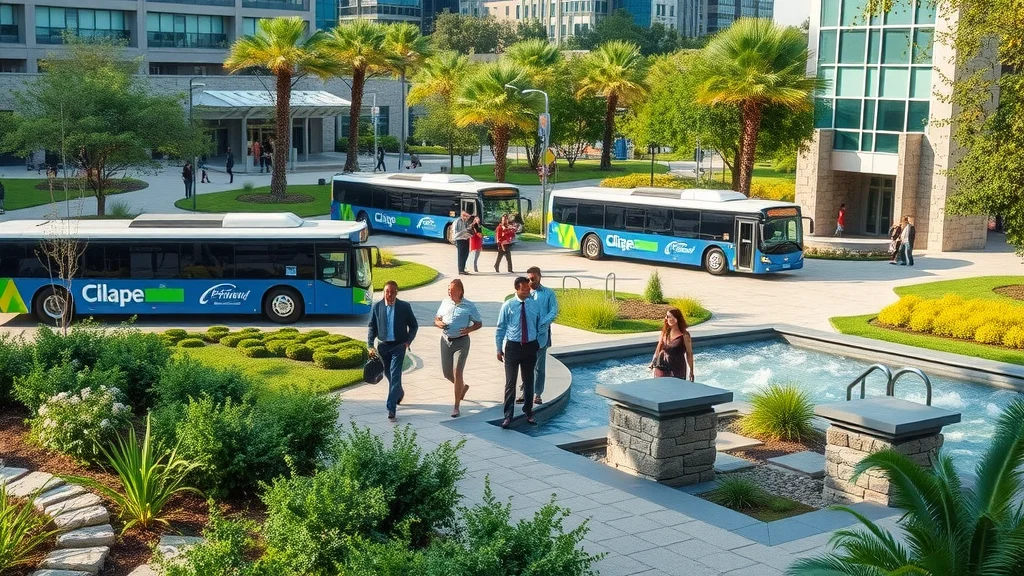
Despite remarkable gains, San Antonio faces substantial hurdles as it continues to attract new businesses and residents. Housing affordability has become a growing concern, fueled by increased demand and rising property values. Infrastructure is under pressure, requiring swift and substantial upgrades to roads, public transit, and amenities across the metro area and into neighboring Bexar and Medina counties. At the same time, education and workforce development require robust attention to ensure the city can meet the talent needs of a modern, diversified economy.
San Antonio’s continued growth also brings challenges in environmental sustainability. The development division and local government are working to implement green building initiatives and support transit expansion, but balancing economic advancement with environmental protection remains an ongoing debate. These issues—ranging from quality of life concerns in small towns and supports, to the impacts seen in rapidly developing neighborhoods—underscore the complexity of managing one of the United States’ fastest growing metropolitan regions.
What Are the Biggest Challenges Facing San Antonio?
Housing affordability: Costs are rising faster than wages, posing obstacles for both current and new residents.
Infrastructure strain: Demands for roads, public transit, and utilities stretch beyond current capacity in many areas around San Antonio and Bexar County.
Education and workforce development: Ensuring residents have access to skills training and higher education is essential for adapting to a fast-changing economy.
Environmental sustainability: Water management, green infrastructure, and smart growth strategies are critical to support continued economic and population growth.
Why Are People Moving Out of San Antonio?
Although San Antonio is a fast-growing city, some residents are choosing to leave. Rising costs of living—especially housing—and congested infrastructure are two primary factors. In some cases, families are drawn to smaller towns in the metro area or across South Texas that offer a quieter lifestyle and more affordable real estate. Meanwhile, workforce development gaps or the search for specialized opportunities may prompt individuals to seek jobs in other fast-growing markets.
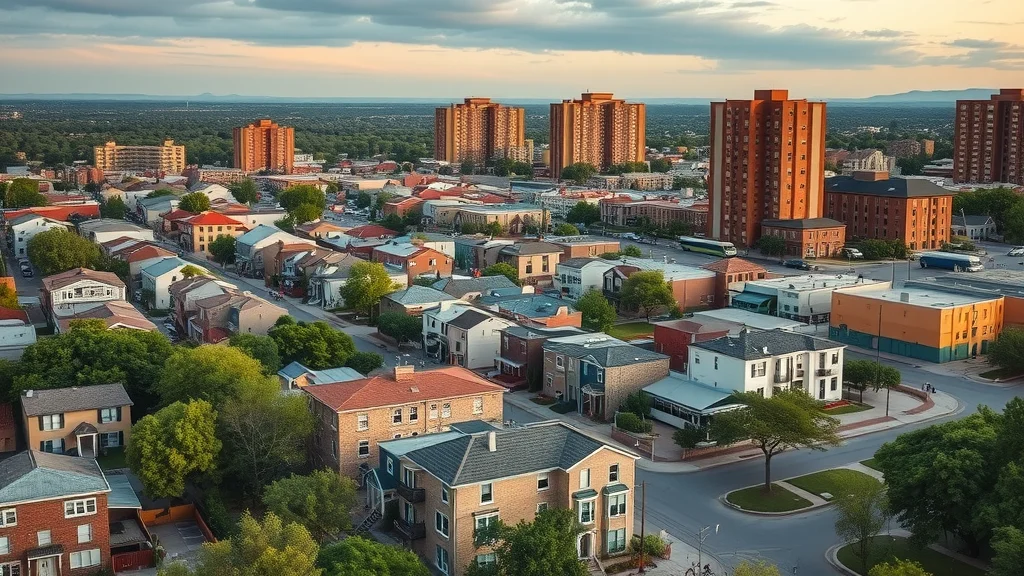
Opinion: The Future of San Antonio Economic Development
"San Antonio’s unique blend of tradition and innovation positions it for long-term leadership in economic resilience." — Steve Houston
Strengthening community development partnerships: Collaboration between private companies, schools, and local government can unlock new solutions.
Emphasizing inclusive growth: Ensuring opportunity reaches all neighborhoods and supports San Antonio’s diverse population.
Anticipating new demographic trends: Preparing for continued economic and population growth, with a focus on sustainability and quality of life for future generations.

Frequently Asked Questions About San Antonio Economic Development
Is San Antonio's Economy Growing?
Absolutely. San Antonio’s economy is among the fastest growing in the United States, with strong performance in healthcare, tech, manufacturing, and hospitality. Population growth, investment inflow, and new business development signal a healthy, resilient metro area ecosystem that continues to draw professionals and families alike.
Why is San Antonio Booming?
San Antonio is booming thanks to a powerful combination of major employers, community development initiatives, and public-private partnerships. Investments in infrastructure and a rich cultural environment have accelerated job creation and improved quality of life, making the city a magnet for new residents and businesses seeking immense opportunities.
Why Are People Moving Out of San Antonio?
Some residents leave San Antonio due to rising housing costs, traffic congestion, or the search for employment in other fast-growing small towns or cities. However, the overall trend shows more people moving in, attracted by new jobs, social services, and community impact opportunities that continue to grow across the area.
What Are the Biggest Challenges Facing San Antonio?
Key challenges include housing affordability, infrastructure strain, workforce development, and environmental sustainability. Addressing these will be essential to maintaining the city’s momentum and ensuring inclusive economic development for all communities in the metro area and surrounding Bexar and Medina counties.
Key Takeaways: What Matters Most in San Antonio Economic Development
San Antonio economic development hinges on innovation and community development.
Fastest growing sectors continue to diversify the economy.
Sustainable solutions are needed for ongoing challenges.
Explore More: Stay Informed About San Antonio Economic Development
Conclusion: San Antonio's economic development is driven by public and private investment, innovation, and a strong sense of community. The city’s future depends on balancing growth with sustainability and inclusivity—so now’s the time to engage, stay informed, and help shape San Antonio’s next chapter!
If you’re interested in how personal stories of leadership and empowerment can influence broader community outcomes, consider reading about Tina Knowles’ inspiring approach to motherhood and healing. Her journey offers a unique perspective on resilience and growth—qualities that echo the spirit of San Antonio’s ongoing transformation. Exploring these narratives can provide valuable insight into the human side of economic development, reminding us that thriving cities are built on empowered individuals and strong communities. Take the next step in understanding how leadership at every level shapes the future of San Antonio and beyond.
To further expand your understanding of the factors fueling growth in San Antonio, the resource What’s Behind All the San Antonio Business Growth? takes a deep dive into the latest trends and economic drivers in the region.


Write A Comment