

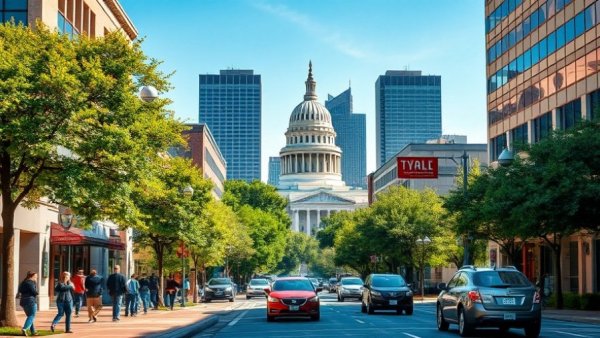
A New Era for Texas Cities: Democrats Take Control
With a sweeping victory in the recent elections, Democrats have redefined the political landscape in Texas, especially in urban areas. For years, Republican lawmakers have challenged the autonomy of cities like Austin, San Antonio, and Houston, limiting their ability to implement progressive policies. This shift could signal an end to the GOP-led war on cities, as mayors and local leaders now see a chance for genuine collaboration with the state government.
Reassessing Local Control and Governance
Under Republican leadership, Texas cities faced numerous restrictions from the state. For instance, the ban on fracking in Denton was met with state legislation that invalidated local efforts. Similarly, local responses to public health crises, such as mask mandates during the COVID-19 pandemic, were overridden by the Governor's office. Now, with a Democratic majority in key state positions, local officials are hopeful about restoring their authority and receiving support tailored to their communities' unique needs. According to Austin Mayor Kirk Watson, this new partnership is essential for addressing major challenges like housing and transportation, which have been exacerbated by rapid growth.
Looking Ahead: The Wish List for Local Governments
The excitement is palpable among local leaders across Texas. With Democrats in control, mayors and county judges are ready to advocate for their priorities as the new legislative session approaches. Fort Worth Mayor Mattie Parker emphasizes the desire for a cooperative relationship focused on helping working-class Texans. Key areas of concern encompass transportation funding, addressing homelessness, and economic development, which local governments are eager to tackle with state backing.
The Challenge of Unwinding Legislative Restrictions
Despite the promising changes ahead, several restrictive measures imposed by the outgoing Republican leadership remain in place. Repealing these laws might take considerable time and political maneuvering. As pointed out by State Senator Paul Bettencourt, potential stalemates could occur, primarily due to continued Republican dominance in the Texas Senate. Moreover, while Democrats appreciate local control, they must also navigate keen discussions regarding housing affordability, with some willing to curtail local authority to facilitate new housing developments.
Impacts on Housing and Development
One of the urgent discussions stems from the pressing housing crisis affecting many Texan cities. The new Democratic leadership seems ready to work on bipartisan efforts to simplify regulations that have hindered housing construction. Previous legislative changes have already helped speed up the availability of new homes across major areas like Dallas and Fort Worth. These developments could ease the skyrocketing rents and home prices affecting residents, making housing more affordable.
Conclusion: A Future Shaped by Partnership Over Adversity
As Texas moves forward, the collaboration between state and local governments may soon redefine community governance. By addressing the challenges of urban development, transportation, and housing, local officials can finally breathe easier, confident that they no longer have to expect animosity from state lawmakers. Instead, they can cultivate a future where all levels of government work together for the benefit of the community. The new political climate indicates a turn toward comprehensive dialogue, focused on creating sustainable and thriving urban environments across the Lone Star State.





Write A Comment