 Add Element
  Add Row

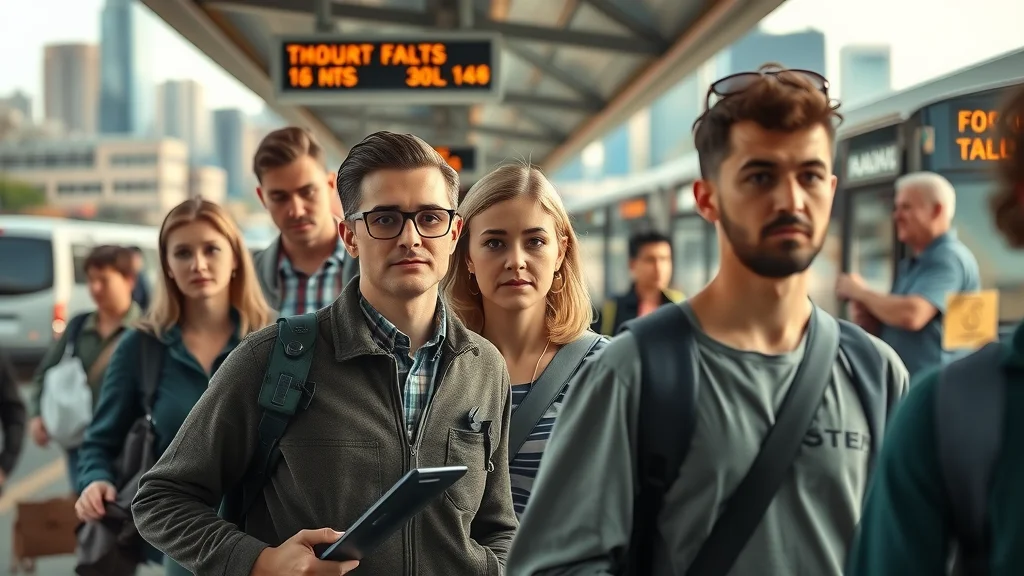
Did you know that over 50% of San Antonio commuters spend more than 30 minutes in traffic every day? It's a staggering number that paints a vivid picture of the demands placed on San Antonio's transportation and infrastructure. As one of the fastest-growing cities in Texas, San Antonio faces both remarkable opportunities and challenge-filled roadblocks. In this article, we’ll dive into the newest trends shaping our city’s transportation system, from advanced rapid transit projects and innovative city planning to the powerful influence of the SA Moving initiative. Join me for a candid, informed look at what these changes mean for commuters, city planners, and the future of everyday life in San Antonio.
San Antonio's Transportation and Infrastructure: A Surprising Look at Rapid Change
"Did you know that over 50% of San Antonio commuters spend more than 30 minutes in traffic every day?"
Change isn’t just coming to San Antonio's transportation and infrastructure—it’s already here. Over the last few years, rapid transit developments and advanced planning initiatives have accelerated quickly. At the heart of these efforts lies the SA Moving initiative, a comprehensive plan aiming to revolutionize every aspect of the city’s public transit and roadways. Yet, many residents still report increased congestion, longer commute times, and inconsistent public transit experiences. These conflicting realities prompt a question: Are these changes enough? Or are we simply racing to keep pace with explosive population growth, major events, and evolving commuter needs?
Looking around at newly expanded surface transportation routes, renovated intersections, and the conceptual launch of advanced rapid transit, it’s clear that leaders aren’t content to leave the city’s historic sprawl unchallenged. San Antonio’s ambition is bold: to seamlessly connect neighborhoods, business districts, and even San Antonio International Airport with efficient rapid transit. However, these developments require ongoing investment, feedback, and adaptation. Residents, businesses, and officials are all key participants as we build the transportation network for the next generation.
As San Antonio continues to invest in rapid transit and advanced infrastructure, it’s worth considering how these changes might influence the city’s ability to host large-scale events and foster community engagement. For a closer look at how local initiatives and celebrations intersect with urban development, explore the unique ways San Antonio brings people together at events like the Krampus Masquerade Fundraiser during Fiesta, which highlights the city’s vibrant culture and evolving public spaces.
What You'll Learn About San Antonio's Transportation and Infrastructure
Key advancements in rapid transit and advanced rapid transit
Updates on the SA Moving initiative
Comparative perspective on San Antonio's transport network versus other major Texas cities
Opinionated insights into existing infrastructure challenges
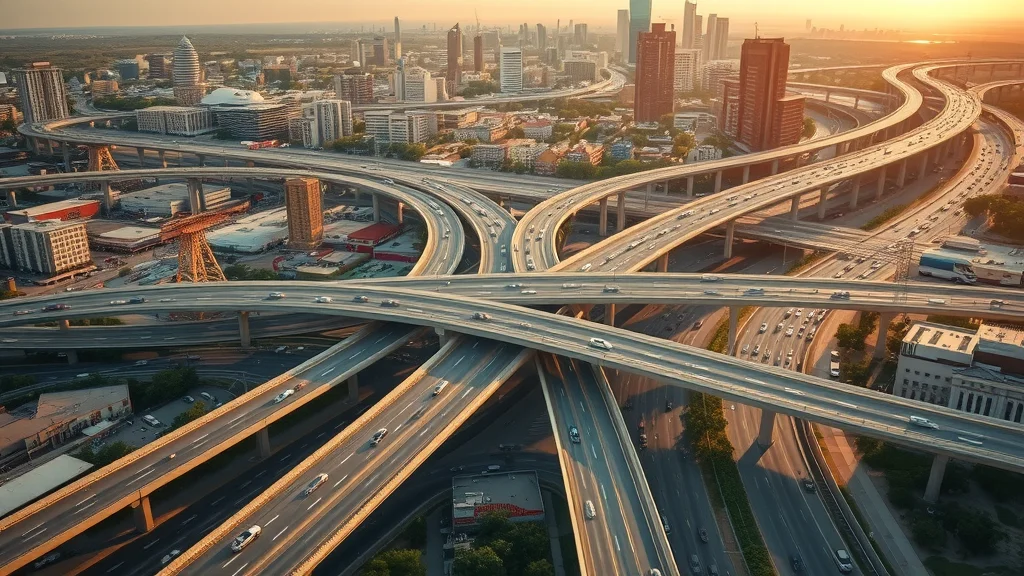
Analyzing San Antonio's Transportation and Infrastructure: Key Developments
San Antonio’s transportation network has seen several transformative projects in the last few years. The city’s push for rapid transit and advanced rapid transit is designed to alleviate chronic congestion, reduce carbon emissions, and support the needs of a growing metropolitan area. At the center of this evolution is the introduction of dedicated rapid transit corridors—like the highly anticipated Green Line and rapid green projects—that promise more frequent service, reliable scheduling, and efficient commutes even during peak travel hours.
Yet, with all these changes, questions remain about the overall effectiveness of such investments. Official city and gov website reports boast about improvements in travel times, connectivity to San Antonio International Airport, and the modernization of traffic signals across key intersections. Critics, however, point to areas still underserved by public transportation and cite ongoing surface transportation challenges. This tug-of-war between progress and persistent problems reinforces why it’s essential to examine San Antonio’s transportation system through a broad, honest lens.
Comparison of Rapid Transit Projects in San Antonio (2023-2024) | ||||
Project Name |
Main Features |
Expected Completion |
Coverage Areas |
Main Benefits |
|---|---|---|---|---|
SA Moving Green Line |
Dedicated rapid bus lanes, upgraded stations, advanced fare collection |
Late 2024 |
North Central, Downtown Corridor |
Reduced congestion, reliable on-time service |
Advanced Rapid Transit Blue Route |
Electric fleet, frequent service, multimodal connectivity |
Early 2025 |
South to Northwest San Antonio |
Environmental benefits, increased ridership |
Airport Express Corridor |
Direct airport linkage, real-time scheduling, wifi-enabled fleet |
Mid 2025 |
San Antonio International Airport to Downtown |
Convenience for travelers, tourism boost |
The SA Moving Project: A Game Changer for San Antonio's Rapid Transit?
"SA Moving could fundamentally reshape how residents connect with their city, but will it deliver on its promise?"
The SA Moving project stands out as one of the most ambitious undertakings in the city’s recent history. This multifaceted initiative encompasses everything from transit system upgrades and corridor expansions to community engagement and technological adoption. Key highlights include the creation of advanced rapid transit lines (like the Green Line), improvements to the existing public transit network, and efforts to reduce commute times via smarter traffic signal management systems. These changes are intended not only to attract new riders but to make day-to-day travel more reliable, sustainable, and pleasant for everyone in San Antonio.
Still, the SA Moving project faces its fair share of challenges. For many, the measure of success will depend on outcomes: Will this overhaul finally address long-standing gaps in public transportation coverage, especially in lower-income or outlying neighborhoods? Will San Antonio avoid pitfalls that have negatively impacted similar transit projects in other Texas cities? Time will tell whether these investments meet expectations or require further course corrections as feedback rolls in from daily commuters and businesses alike.
Advanced Rapid Transit Initiatives: Opportunities & Concerns
Pros and cons of advanced rapid transit for daily commuters
Potential hurdles for citywide implementation
Influence on future urban planning
Expanding into advanced rapid transit offers significant rewards—but it’s not without its hurdles. Supporters highlight that dedicated lanes and frequent service will finally allow San Antonio to rival larger metropolitan transit systems found in cities like Dallas and Houston. Reduced travel times, increased energy efficiency, and expanded accessibility stand out among the top pros for daily commuters and the city’s environmental stewardship. These innovations could also support economic development by linking key business centers, tourist destinations, and residential hubs in ways that conventional transit simply cannot.
Yet, citywide implementation poses notable complications. Infrastructure upgrades take time, money, and ongoing coordination among regional and metropolitan transit planners. Residents worry that construction delays or disruptions may negatively impact already busy corridors, while others question whether these upgrades will be truly equitable or inadvertently exacerbate existing disparities. For San Antonio to get this right, officials must engage communities directly, ensure transparent communication about every phase, and remain nimble in their urban planning strategies.

People Also Ask: Critical Questions About San Antonio's Transportation and Infrastructure
How is rapid transit expected to impact San Antonio's daily commute?
The introduction of rapid transit is expected to dramatically improve the daily commute in San Antonio by reducing congestion, offering more reliable schedules, and connecting far-flung neighborhoods to key destinations like San Antonio International Airport. These improvements mean less time spent in traffic, better access to jobs and services, and a more predictable travel experience for commuters. With projects like the SA Moving Green Line and Advanced Rapid Transit Blue Route planned to offer frequent service and direct routes, residents can look forward to greater convenience without needing to rely on personal vehicles as much as they have in the past. In short, rapid transit could make getting around faster, greener, and more accessible for everyone—though it must be executed carefully to deliver on this promise.
What infrastructure challenges does San Antonio still face?
Despite recent investments and upgrades, San Antonio's transportation and infrastructure still face challenges. Many areas remain underserved by public transit, especially the city’s sprawling outskirts. Aging surface transportation authorization structures, funding gaps, and seasonal traffic bottlenecks add to the frustration for both commuters and city planners. Moreover, with the city’s population projected to keep growing, keeping up with increased demand on highways and city streets remains a critical concern. Addressing these issues requires strategic investments in maintenance, smarter traffic management, and a willingness to learn from other Texas cities and their successes (and stumbles) in rapid transit and infrastructure projects.
San Antonio's Transportation and Infrastructure in Comparison: A Texas Perspective
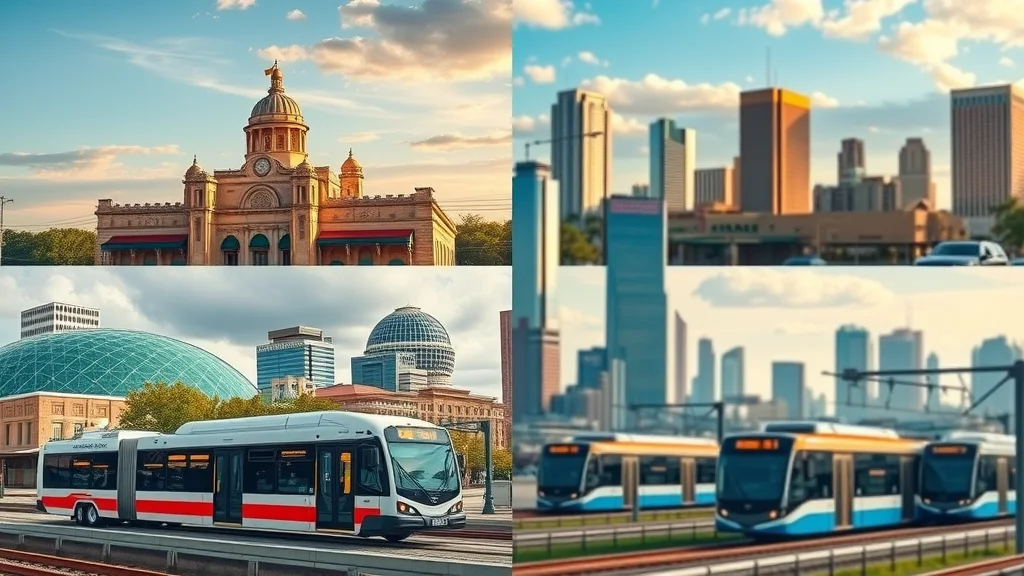
Public transit investment gaps between San Antonio, Austin, Dallas, and Houston
Diverse community needs impacting infrastructure development
Lessons San Antonio can learn from other cities’ advanced rapid transit projects
Compared to other major Texas cities like Austin, Dallas, and Houston, San Antonio has traditionally invested less in public transit and rapid transit infrastructure. Data from recent gov website summaries show that Dallas’ DART and Houston’s METRO have delivered broader coverage and higher-frequency services, driven by more substantial funding allocations and focused urban policies. Austin has emerged as a leader in sustainable transit, thanks in part to its own rapid green line and public engagement campaigns.
San Antonio, with its unique geographic spread and diverse population, must balance different sets of community needs. Whereas dense, urban neighborhoods may benefit right away from dedicated rapid transit lines, suburban and rural residents remain concerned about last-mile connectivity and cost equity. Perhaps the biggest lesson from other Texas cities is the need for sustained investment paired with robust community feedback loops. The evolution of San Antonio’s transportation system cannot be a one-size-fits-all endeavor; it must reflect the city’s distinct character, history, and future ambitions.
FAQs on San Antonio's Transportation and Infrastructure
What is the SA Moving initiative?
The SA Moving initiative is a comprehensive transportation plan spearheaded by local government and transit authorities to upgrade and expand San Antonio's transportation and infrastructure. Its primary focus is on integrating advanced rapid transit options, improving public transit frequency, modernizing intersections, and ensuring efficient connectivity from neighborhoods to key city destinations like the San Antonio International Airport. By leveraging both public and private partnerships, SA Moving seeks to prepare the city for future growth while supporting sustainable and inclusive urban development.
What are the biggest benefits of advanced rapid transit for San Antonio?
Advanced rapid transit brings a wealth of advantages to San Antonio: reduced commute times, less traffic congestion, enhanced air quality, and a more flexible transit system that can respond to the city's changing needs. By rolling out projects such as the rapid green line and Airport Express Corridor, the city aims to make public transportation a genuine alternative to driving. This approach not only benefits commuters by providing frequent service and reliable connections—it also supports local businesses, reduces environmental impact, and contributes to the long-term resilience of the city’s economic and social fabric.
Does San Antonio lag behind other Texas cities in infrastructure investment?
Historically, San Antonio has trailed other Texas metropolises like Dallas and Houston in both funding and pace of infrastructure upgrades. While recent years have seen an uptick in new projects—like advanced rapid transit corridors and smarter traffic signals—the city still faces an uphill battle in catching up with the scale and sophistication of other urban networks. That said, the future looks brighter given the ambitions of the SA Moving plan and the community’s growing focus on smarter, more equitable transportation solutions.

Key Takeaways: San Antonio's Transportation and Infrastructure in 2024
San Antonio’s transportation and infrastructure are evolving, but gaps remain
Rapid transit and advanced rapid transit programs are promising but face hurdles
Strategic investments and community support will shape the city’s future mobility
Video
Watch our professionally produced video montage featuring sweeping drone footage of key San Antonio transportation corridors, urban rapid transit in motion, and interviews with city planners. B-roll includes commuters boarding new buses and light rail, animation overlays highlighting the SA Moving initiative, and comparative statistics with other Texas cities. This video is optimized for SEO with keyword visual cues and lower-thirds, offering engaging and informative context in a clean, modern style.
Share Your Voice on San Antonio's Transportation and Infrastructure
What do you think about San Antonio’s transportation and infrastructure changes? Share your experiences or hopes for the city’s future transit in the comments below!
San Antonio’s journey toward a more connected and efficient city is shaped not only by infrastructure projects but also by the vibrant community spirit that defines local life. If you’re interested in seeing how transportation improvements can enhance the city’s ability to host unique cultural events and foster civic pride, take a moment to discover the energy and creativity behind the Krampus Masquerade Fundraiser during Fiesta. Exploring these intersections between mobility and celebration offers a fresh perspective on how urban planning and community engagement go hand in hand—fueling both progress and tradition in San Antonio’s evolving story.
To deepen your understanding of San Antonio's evolving infrastructure, explore San Antonio (Official City and Gov Website), which provides up-to-date details on ongoing transportation projects, strategic plans, and public transit improvements designed to shape the city’s future. For broader context, San Antonio Living offers comparative insights into how another major Texas city has addressed rapid transit and infrastructure challenges, highlighting lessons San Antonio can adapt and apply. If you’re serious about understanding and engaging with San Antonio's transportation and infrastructure growth, these resources will give you a comprehensive perspective and actionable information.


Write A Comment