
Understanding Fatty Liver: What You Should Know
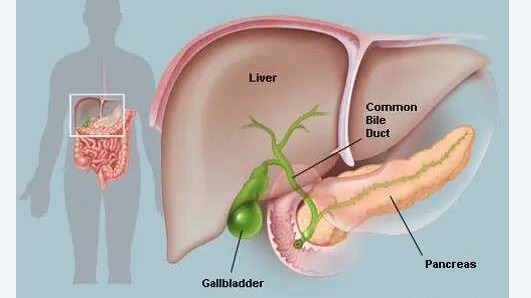
When you receive a diagnosis of a grade two fatty liver, it can provoke panic—but knowledge is power. Fatty liver disease occurs when fat builds up in your liver cells, leading to potential complications. In medical terms, the liver can be graded from zero to three based on the percentage of fat present. Grade zero is considered normal with less than 5% fat. At grade two, the liver can contain between 34% to 66% fat, which might not produce noticeable symptoms right away. However, recognizing and addressing this condition early can prevent more severe complications. The liver, an incredibly resilient organ, has the ability to regenerate itself, which means with the right dietary choices, reversing fatty liver is achievable.
In 'The Fastest Way to Reverse Fatty Liver', insights into the condition and dietary adjustments prompted us to explore effective strategies for liver health.
The Food Connection: Eight Foods That Help Reverse Fatty Liver
Adopting a healthier diet plays a crucial role in tackling fatty liver disease. The good news? There are eight foods that can help reverse this condition:
Eggs: Rich in choline, eggs are low in carbohydrates, which helps prevent further fat accumulation in the liver.
Olive Oil: Extra virgin olive oil is known for its anti-inflammatory properties and significantly reduces liver fat.
Fatty Fish: High in omega-3 fatty acids, fish like salmon and sardines reduce inflammation in the liver.
Garlic: Garlic activates fat-burning processes in the liver, making it a must-have in your diet.
Cruciferous Vegetables: Foods like broccoli and kale contain vital phytonutrients that assist in detoxification.
Sauerkraut: Fermented vegetables like sauerkraut are beneficial for gut health, thus aiding liver function.
Black Coffee: Consuming coffee can support liver health due to its rich phytonutrient content.
Avocado: Avocados help the liver produce glutathione, crucial for detoxification and repair.
Fasting: A Powerful Approach to Liver Health
Beyond dietary adjustments, implementing intermittent fasting can significantly assist in reversing fatty liver. Fasting for 18 hours each day, for example, allows your body to focus on burning fat rather than storing it. This method can lead to remarkable improvements in liver health, especially for those who do not require excessive caloric intake. Incorporating occasional longer fasts, such as 48 or even 72 hours, can further expedite this process, allowing the liver to effectively detoxify. To avoid feeling weak during a fast, ensure adequate sodium intake, potentially alleviating common side effects.
The Bigger Picture: Liver Health Matters
A healthy liver is essential for overall well-being—it’s involved in hormone regulation, detoxifying the body, and even energy levels. Although a fatty liver might not seem serious at first, ignoring it can lead to major health consequences down the line, making it vital to take action sooner rather than later.
For those dealing with a fatty liver diagnosis, it's vital to take these insights to heart. Understanding the food choices that benefit liver health and how fasting can help reverse the condition may empower you to take control of not only your liver health but your overall well-being. Join the journey of reclaiming your health by making these informed choices today!



Write A Comment