

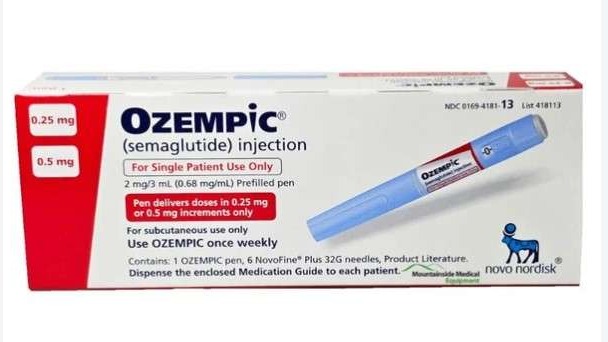
Understanding Ozempic Hair Loss: A Comprehensive Overview
As more individuals turn to Ozempic and other GLP-1 medications for weight management, concerns regarding side effects have surfaced. One of the most alarming effects reported is hair loss. While many attribute hair thinning and loss to rapid weight reduction, the connection may not be so straightforward. In fact, numerous users have experienced hair loss without significant changes to their body weight—a phenomenon we need to explore further.
In 'Ozempic Hair Loss?! Why It Happens & 3 Ways to Save Your Hair', the discussion dives into the unexpected side effects of GLP-1 medications, exploring key insights that sparked deeper analysis on our end.
The Hidden Impact of Medication: Why Hair Loss Happens
When discussing Ozempic hair loss, it's essential to understand that the medication itself may play a significant role. According to studies, while the label mentions hair loss occurs in about 3% of cases, surveys indicate a much higher rate, with estimates ranging from 37% to 68%. The correlation between the drug and hair loss cannot be dismissed lightly.
Why Weight Loss Isn't the Sole Blame
A common misconception is that losing hair is merely a result of losing weight too quickly. However, this is not the full picture. There are three main reasons people may experience hair loss while taking Ozempic:
Reduced Nutrient Absorption: Ozempic can lower stomach acid production, crucial for nutrient absorption, leading to deficiencies in vital minerals like iron, zinc, and vitamin B12—all essential for healthy hair growth.
Effect on Scalp Fat: The drug's mechanism also targets fat layers in various parts of the body, including the scalp. Thinning of these layers can disrupt hair follicle health, leading to thinning hair around the temples and crown.
Liver Health and Sulfur Deficiency: As fat is oxidized and detoxified, it can strain the liver, leading to a potential deficiency of sulfur—necessary for keeling hair strong and vibrant.
Simple Tests for Hair Loss Type
A quick and insightful way to determine the type of hair loss may involve a simple mirror and shower test. Inspect a fallen hair for a bulb at the root. If present, it may indicate issues related to nutrient absorption, pointing to low levels of iron or other essential vitamins.
Effective Solutions: How to Combat Hair Loss
Knowing the reasons behind your hair loss on Ozempic opens the door to effective solutions. If absorption is the issue, implementing betaine hydrochloride can help stimulate stomach acid, enhancing nutrient uptake from food. Increasing your intake of animal protein can also provide necessary nutrients to support hair growth.
For those experiencing brittle or broken hair, focusing on sulfur-rich foods such as eggs can bolster hair strength. There are also supplements like N-Acetylcysteine (NAC) that support liver detoxification, promoting better hair health.
The Power of Scalp Care
If thinning hair creates concern, targeted treatments can rejuvenate the scalp. A simple four-minute scalp massage with rosemary oil can improve circulation and invigorate hair follicles. Regular scalp care can make a noticeable difference in your hair's growth cycle.
Final Thoughts: Taking Action on Ozempic Hair Loss
Understanding the relationship between Ozempic, weight loss, and hair health emphasizes the importance of awareness and proactive management. By grasping the underlying causes of hair loss related to this medication, individuals can take steps towards remedies to support their hair while managing their health. While the road to ensuring hair resilience may seem daunting, the key lies in informed choices and targeted care.




Write A Comment