
Disaster and Health Coverage: A Growing Concern
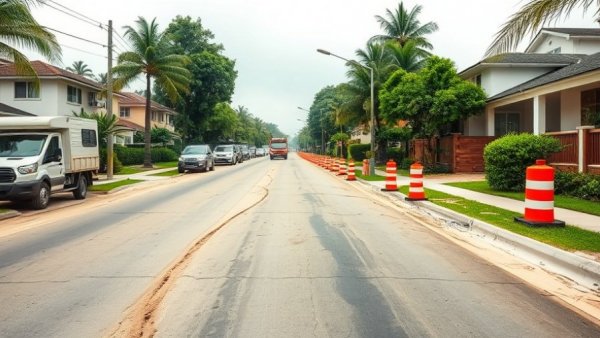
In the wake of Hurricane Lowell's devastation in Kauaʻi, residents are confronting not just the physical remnants of the storm, but also the bureaucratic hurdles that threaten their access to vital health services. Just one month after the hurricane, evidence of economic fallout permeates communities that thrived on tourism, with unemployment skyrocketing from 69 claims to about 1,800 in just weeks. As locals grapple with the aftermath, a significant jump in Medicaid applications highlights the urgent need for health coverage during emergencies.
The Shifting Landscape of Medicaid Work Requirements
While Medicaid serves as a critical safety net, new work rules under the One Big Beautiful Bill Act pose additional barriers for residents struggling to regain employment. These stipulations demand that many nondisabled adults enrolled in Medicaid work at least 80 hours each month, a requirement that feels increasingly burdensome in the context of a natural disaster. Although temporary exemptions exist for areas declared as disaster zones, the implementation and timelines can be unresponsive to the immediate needs on the ground.
Importance of Timely Disaster Declarations
Hawaiʻi Governor Josh Green emphasized the necessity for swift disaster declarations, particularly as states begin to grapple with impending Medicaid changes. His concern underscores the impact on rural healthcare providers, whose stability could be jeopardized if thousands lose their health benefits due to rigid work requirements. As residents like Rochelle Ganotisi face uncertainty over their health insurance post-layoff, the call for prompt governmental response becomes even more acute.
The Ripple Effect on Individual Lives
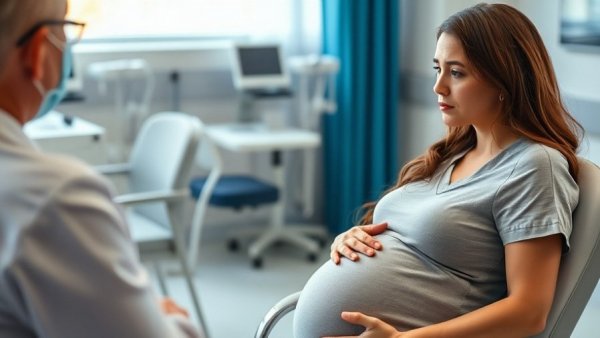
Rochelle, a mother of five, epitomizes the struggles faced by many. After being laid off from the Sheraton Kauaʻi Resort, she is currently dependent on unemployment payments and part-time work. The prospect of potentially applying for Medicaid—and the looming uncertainty of whether she meets the necessary criteria—magnifies her anxiety. This scenario reflects a broader narrative of individuals caught in a system that may not adequately recognize their needs during crises.
Discrepancies in State Responses
The response to disaster exemptions highlights a patchwork health coverage landscape across the U.S. While many states—including Hawaiʻi—plan to adopt hardship exceptions to Medicaid work requirements, some, like Indiana and Missouri, choose not to. This divergence raises pressing questions about equitable access to healthcare across different climates and governance, revealing how residents in certain areas might face harsher realities when disasters strike.
What Lies Ahead for Medicaid Stakeholders
As we examine the ongoing evolution of Medicaid policies in disaster scenarios, the future remains uncertain. For many residents of Kauaʻi and similar regions, the emphasis on timely legislative action, flexible eligibility criteria, and sensitive enforcement of work requirements is paramount. Each decision made in the corridors of power impacts real lives, and it is vital to ensure that health coverage isn’t an additional casualty in times of crisis.
Join the Discussion and Advocate for Health Access
In light of these poignant narratives, it’s essential for community members and advocates to engage actively in discussions around health coverage policies. Collaborating with local organizations can help push for resilient health infrastructures that adapt to the realities faced by residents. Stay informed about developments in Medicaid and support initiatives that prioritize health and wellness for all.



Write A Comment