USPS Faces Potential Service Shutdown: What Lies Ahead?
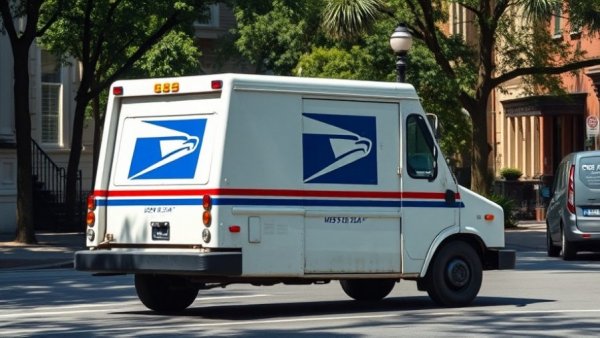
The U.S. Postal Service (USPS) is at a critical juncture, pushing the possibility of halting mail delivery from an immediate crisis in 2027 to a more flexible window between 2031 and 2034. Although this extension appears as a temporary reprieve, it shines a spotlight on the systemic financial challenges faced by USPS. Postmaster General David Steiner has explicitly warned that the agency’s long-term viability is under threat, necessitating urgent congressional intervention.
The Broken Business Model of USPS
Steiner has been vocal about what he terms a 'broken business model' plaguing the USPS. Unlike other government agencies or private enterprises, USPS operates without taxpayer funding and is heavily reliant on postage sales, products, and service fees. This situation is exacerbated by a dramatic drop in mail volume—from a peak of 213 billion pieces in 2006 to just 109 billion today. This steep decline has resulted in a staggering loss of approximately $81 billion in potential revenue, significantly complicating operations.
Impact on Local Businesses and Communities
For businesses in San Antonio and across the country, the potential scaling down or closure of USPS services poses serious ramifications. The postal service is a lifeline, particularly for small businesses reliant on mail for transactions, deliveries, and communications. Any disruption in mail delivery could ripple across the local economy, affecting everything from supply chains to cash flow.
Possible Pathways for USPS
The agency has laid out three potential pathways for its future: maintaining the current status quo, which threatens cash exhaustion; implementing service cuts and price hikes; or seeking reimbursement from Congress for public service costs. Any combination of these paths could lead to changes that would directly influence community engagement and local business operations. Speculations about reducing delivery days to five per week, closing some post offices, or raising the price of a First-Class stamp to 90 cents or more reflect growing concerns of sustainability.
What Are the Consequences of Inaction?
If Congress does not act, USPS could face a reality where it cannot fulfill its obligations to vendors or employees. Tests of liquidity project a serious cash shortfall as early as fiscal 2026 unless current financial strategies are altered. The proposed adjustments are not merely options on a table, but urgent responses to stave off an impending cash crisis that could put vital services at risk.
In Conclusion: The Future of Mail Delivery
For residents, businesses, and stakeholders in San Antonio and beyond, the fate of the USPS impacts daily life. Should Congress respond adequately to the postal crisis, it could secure the future of mail delivery and maintain essential services that millions rely on. Conversely, inaction could lead to a significant disruption in operations, reshaping how communities engage with one another.
To stay updated on the evolving situation regarding USPS and its impact on local businesses, keep your eyes peeled for future developments and community discussions that highlight these pressing issues.





Write A Comment