 Add Element
  Add Row

Eye-Opening Facts About Commute and Traffic in San Antonio
"The average San Antonio commuter spends nearly 75 hours a year in traffic." – Regional Transportation Authority
San Antonio’s rapid growth has a direct impact on its commuters. With more families moving into master planned communities and established neighborhoods around Bexar County, traffic congestion continues to climb. The local traffic scene creates not only stalled vehicles but daily headaches for Antonio drivers. Most commuters, whether using I-35, Loop 410, or navigating the West Side, must plan their routes to sidestep ongoing construction projects and frequent accident bottlenecks.
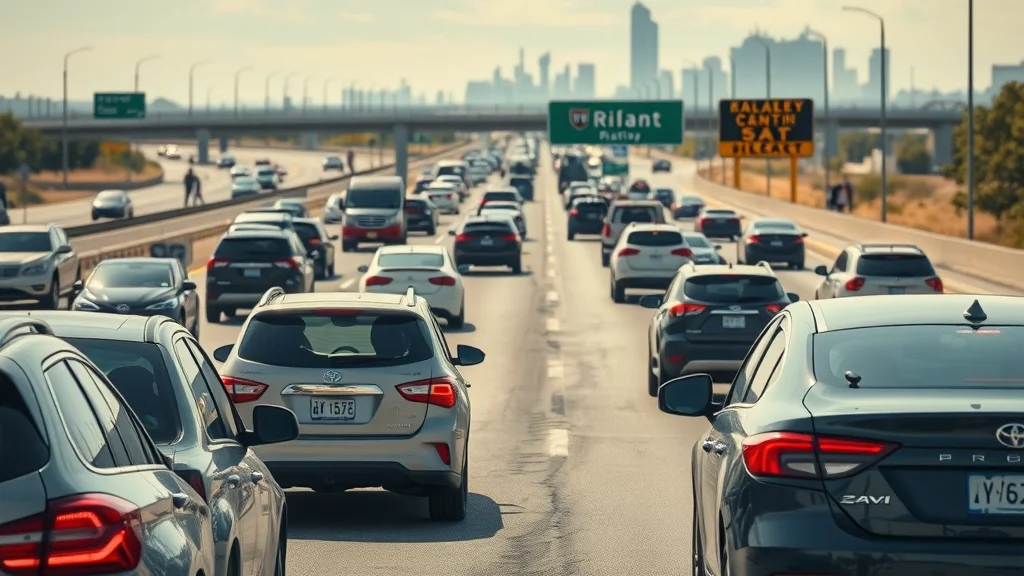
Research shows that the average commute time in San Antonio is now approaching 26 minutes, which—while slightly better than Houston and Dallas—still leaves plenty of room for improvement. With thousands driving to school, work at Joint Base San Antonio, and downtown offices, each lost minute adds up, making understanding these traffic patterns crucial to reclaiming your day.
What You'll Learn in This Guide to Commute and Traffic in San Antonio
Why the commute and traffic in San Antonio is a persistent challenge
Personal strategies to minimize travel time and stress
Expert perspectives and local insights
How San Antonio compares to other cities on traffic issues
Understanding Commute and Traffic in San Antonio
Historical Context: How San Antonio Grew Into a Traffic Hotspot
The roots of San Antonio’s current traffic patterns stretch back decades. In the 1970s and 80s, city planners responded to rapid population growth by expanding roads around downtown and into newer communities throughout Bexar County. With increased suburban sprawl came sprawling highways and overpasses—but traffic solutions couldn’t keep up with demand. Joint Base San Antonio, a key military hub, and the rise of master planned communities accelerated development. Now, commuters from all corners, including families moving to well-known San Antonio neighborhoods, confront the consequences: more congestion, longer commute times, and a daily struggle on the roads.
San Antonio’s unique blend of history and modernization is visible in its infrastructure. The city’s expansion didn’t just bring new residents; it also drew large employers, boosting regional economic activity. As a result, local traffic has become a defining feature of daily life, especially during rush hour. Through collaboration between Antonio City and Bexar County, leaders have recently tried to patch some of these long-term problems, but the daily commute realities show there’s still much to be done.
Key Causes: The Geography of San Antonio and Bexar County
San Antonio’s vast geography is at the heart of its traffic woes. Unlike compact cities, the Alamo City stretches over a huge geographical footprint, from historic, established neighborhoods near downtown to miles of newly built master planned and planned communities at the outskirts. Major corridors such as I-35, Loop 1604, and Loop 410 connect these neighborhoods—but also funnel tens of thousands every morning and evening, forming reliable bottlenecks. For military families and civilians alike, navigating from base San Antonio or west side suburbs means factoring in not just distance but typical congestion hot spots and ongoing roadwork.
The region’s topography, with creeks, rivers, and protected environmental areas, forces roads to wind around natural barriers, creating choke points at bridges and merges. Bexar County’s mix of industrial, residential, and military zones complicates the traffic map. Throw in unpredictable Texas weather, and it’s easy to see why commute realities can shift dramatically week to week. Understanding these local causes gives commuters an edge for planning smoother travel and sets the stage for city-wide solutions.
While navigating San Antonio’s traffic can be a daily challenge, the city’s vibrant culture and community events offer a welcome balance to the routine. If you’re looking for a unique way to unwind after a long commute, consider exploring local happenings brings together residents for a festive and memorable experience right in the heart of San Antonio.
Personal Observations on Daily Commute and Traffic in San Antonio
Spotlight: West Side Commute Patterns
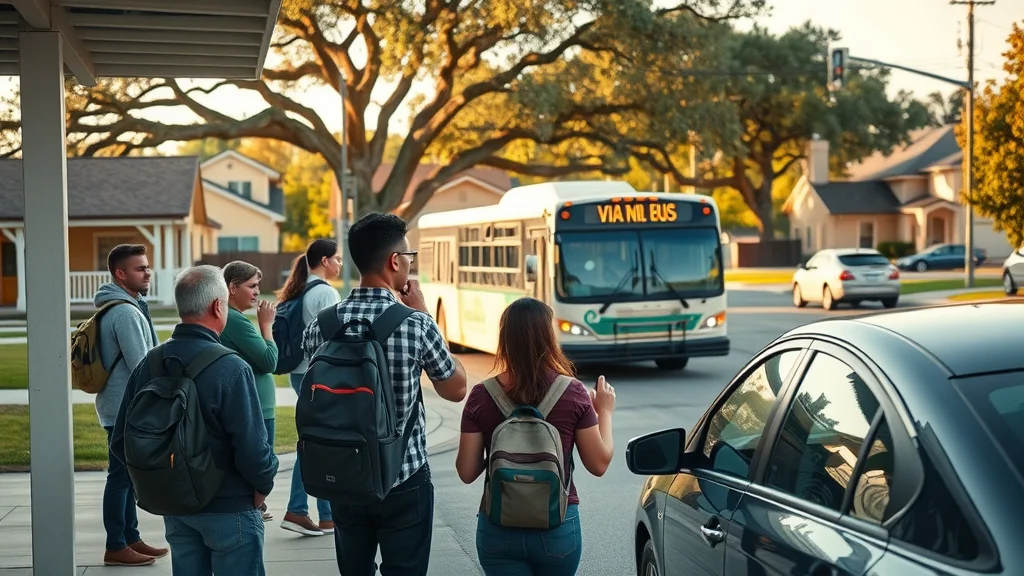
The West Side of San Antonio offers a unique, and often overlooked, perspective on city commuting. During early mornings, you’ll see a steady stream of students, workers, and families lined up at VIA bus stops or edge into traffic on their way to school, work, or appointments. Many rely on public transport, which, while improving, still faces its own delays during peak hours. For drivers, key intersections quickly clog with a patchwork of cars, city buses, and school shuttles—making for a hectic yet distinctly local traffic ballet. Community members share tips on social media for best times to leave their neighborhoods or routes that avoid notorious backup zones.
Locals in West Side neighborhoods have become pros at adapting. Some have shifted to carpooling, while others opt for early departures, bracing for merged traffic near downtown and the medical center. This area, with its blend of older homes, thriving small businesses, and a growing population, offers vital lessons for all San Antonio drivers: anticipate, stay alert, and always have a backup plan.
Experiences from Military Families Navigating San Antonio
"Living on base, we learned to leave 20 minutes early – or risk missing roll call." – Local military spouse
Military families stationed at Joint Base San Antonio or living in nearby master planned communities quickly adapt to the commute and traffic in San Antonio. Their routines are often shaped by work hours that coincide with the city’s peak congestion. From the west side to the north, military spouses become logistical experts: they compare alternate routes, keep tabs on construction updates, and coordinate carpool groups with fellow families. You’ll find military forums and neighborhood chats filled with up-to-the-minute commute advice and ways to streamline school drop-offs with base entry lines.
Many military families plan ahead with ironclad discipline. By building in an extra time buffer before important appointments, they avoid long lines at gate checks and construction detours. This approach, born of necessity, ends up being a best practice every San Antonio commuter—civilian or military—should consider borrowing.
Lessons From San Antonio Drivers: Thriving Despite the Jam
San Antonio drivers, both new and longtime residents, develop their own survival tactics for beating the jam. Some swear by hyper-local navigation apps that tap into live local traffic updates, helping them re-route when accidents snarl a major artery. Others rely on old-school wisdom—leaving before sunrise or after the evening rush, or networking with coworkers to set up informal carpool arrangements. The most confident drivers see traffic not as a daily defeat, but as a puzzle to solve: knowing which feeder roads unlock a backdoor entry to downtown, or which side streets offer reprieve from bottlenecks during citywide events.
Regardless of strategy, thriving as a San Antonio commuter is about adaptability. Drivers share their experiences in community forums, swap info on social media, and are often the first to try new ideas—like biking part of the way or leveraging park-and-ride options at the city’s transit centers. Living in the Alamo City means you’re always learning from each other, and every trip on the road makes you a little wiser for the next one.
Tips and Tricks to Beat Commute and Traffic in San Antonio
Optimal departure windows for major routes
Favorite real-time traffic apps
Alternate routes that sidestep iconic bottlenecks
To reduce frustration and maximize efficiency, savvy commuters in San Antonio have embraced technology and timing. For example, leaving just 15 minutes earlier or later than peak windows on Loop 1604 can mean the difference between a smooth drive and a gridlocked parking lot. Apps like Waze and Google Maps are favorites, giving real-time updates that account for sudden slowdowns, ongoing construction projects, or surprise accidents. And don’t be afraid to experiment: sometimes, a less direct route through established neighborhoods beats the time spent idling on I-35.
Collaborating with colleagues or neighbors can also yield surprising benefits—shared rides not only reduce total vehicles on the road but can also give you access to high-occupancy lanes in some planned communities. Don’t overlook the value in mastering your own neighborhood streets, either; often, the roads you travel every day have hidden shortcuts and alternative paths just waiting to be discovered by those willing to give them a try.
How Commute and Traffic in San Antonio Compares Nationally
Compared to its Texas neighbors, San Antonio’s commute isn’t the worst—but it’s far from the best. Houston and Dallas tend to capture headlines for monumental traffic snarls, while Austin’s tech boom has made travel times notoriously inconsistent. Still, San Antonio drivers face persistent stress, especially along corridors like I-35 and Loop 1604 where planned communities funnel new traffic onto old infrastructure.
Nationally, cities like Los Angeles and New York routinely rank as the toughest places to drive, but San Antonio’s blend of sprawling geography and concentrated bottlenecks make it a challenge of its own. A recent report shows that while average commute times are slightly below major metro averages, the daily experience of snaking down congested highways or detouring for ongoing construction projects feels just as frustrating. The local focus on smart technology and dedicated traffic teams, however, may give San Antonio a fighting chance to leap ahead in the long term.
Is Traffic in San Antonio Worse Than Nearby Cities Like Austin?
City |
Average Commute Time |
Major Bottlenecks |
|---|---|---|
San Antonio |
26 minutes |
I-35, Loop 1604 |
Austin |
31 minutes |
I-35 Downtown |
Houston |
30 minutes |
I-45, I-10 |
For many, the commute and traffic in San Antonio is more manageable than Austin’s notorious downtown bottleneck, but still lags behind master planned cities that have invested in rapid transit or long-term solutions. The above table gives a bird’s-eye view of just how these cities stack up—helpful for anyone deciding where to move or how to route each day’s journey.
San Antonio City Initiatives to Improve Commute and Traffic
Current Projects Targeting San Antonio Drivers

In recent years, Antonio City and Bexar County have joined forces on several major construction projects designed to relieve congestion. These include the expansion of Loop 1604, upgrades to I-35’s busy stretches, and improvements for park-and-ride access intended to ease pressure on established neighborhoods and master planned communities. With daily life in San Antonio shaped by road construction and planning, these upgrades are intended to provide both immediate relief and long-term flow efficiency.
Commuters already see new signage and rerouted lanes across the Alamo City, but the success of these efforts hinges on public input and smart use of technology. Real-time traffic monitoring and early warning systems help city planners tweak approaches, minimizing disruption for Antonio drivers. While outcomes will take time, the investment signals a move toward a less stressful, more predictable commute for everyone.
How Antonio City and Bexar County Are Collaborating on Commute Solutions
The partnership between the city and the county is critical to overcoming long-term traffic hurdles. With the region’s growth running faster than the construction timeline, only close collaboration between Antonio City and Bexar County can deliver the master planned communities and transit infrastructure residents need. Joint investments in high-capacity corridors and expanded bus rapid transit will help connect established neighborhoods with the city core.
New pilot projects, such as synchronized traffic signals and adaptive lanes, are under active review. By gathering feedback from drivers, including military families commuting to base San Antonio, local leaders aim to tailor solutions that reflect real commute realities. Open community forums and an emphasis on transparent planning mean every San Antonio driver has a voice in shaping the future of their daily commute.
People Also Ask About Commute and Traffic in San Antonio
What is the average commute time in San Antonio Texas?
Answer: The average commute time in San Antonio is approximately 26 minutes, according to the latest Census Bureau data, which is slightly below the national average.
Is traffic worse in San Antonio or Austin?
Answer: Austin generally experiences worse rush hour gridlock than San Antonio, but both cities have notable congestion issues along I-35 and other major corridors.
Which city has the worst traffic in the USA?
Answer: Los Angeles frequently tops the list for the worst commute and traffic, with New York City and San Francisco also infamously congested compared to San Antonio.
Is traffic in San Antonio bad?
Answer: San Antonio traffic is considered moderate for a major city, with congestion peaking during morning and evening commutes, particularly on highways like I-35 and Loop 410.
Meet San Antonio residents who traded solo driving for carpooling, VIA Metropolitan buses, or e-bikes—and landed more time and less stress. From downtown to the West Side, these commuters share on-camera testimonials, proving there are inspiring and accessible routes for everyone ready to break free from gridlock.
Personal Top Five Strategies to Outsmart Commute and Traffic in San Antonio
Carpooling networks with coworkers or military families
Using VIA Metropolitan Transit routes creatively
Investing in e-bikes for last-mile solutions
Staggering work hours to dodge peak jams
Exploring telecommuting when possible
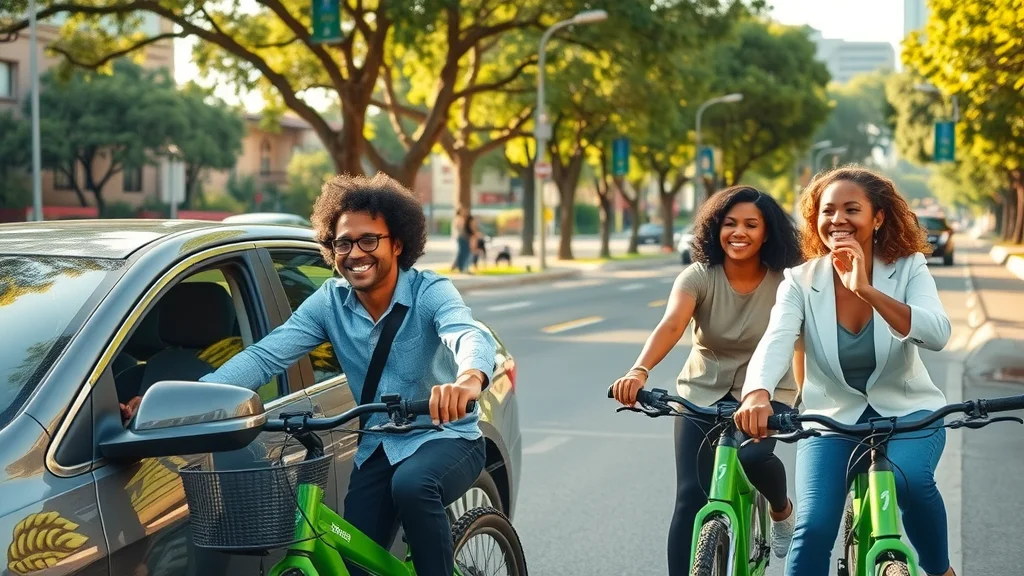
For me, these five strategies became game-changers. Embracing carpooling helped not just with fuel savings, but also unlocked dedicated routes and minimized my environmental footprint. Creative use of VIA bus and transit lines—often pairing them with short bike rides—consistently bypassed some of the city’s trickiest junctions. Staggered schedules got me out ahead of traffic jams, while remote work arrangements transformed my “worst” commute days into zero-traffic triumphs. The secret is to stay flexible, keep an eye on updates, and never stop learning from others' experienced hacks across San Antonio neighborhoods and master planned communities.
Expert Insights: What Transportation Planners Recommend for Commute and Traffic in San Antonio
"Future expansions and smart traffic systems could transform how San Antonio drivers experience the city in the next decade." – City Planner
City planners emphasize that technology is the linchpin for San Antonio’s transit future. The move toward adaptive traffic signals, smarter bus corridors, and new real-time data tools could help families, military commuters, and West Side workers alike. Planners also note that much like Houston and Dallas, San Antonio will need sustained, forward-thinking investment in long-term projects—especially as master planned communities stretch further into Bexar County.
The takeaway? While quick fixes matter, the real key lies in community participation and feedback
FAQs: Navigating Commute and Traffic in San Antonio
Which highways are most congested in San Antonio? I-35, Loop 1604, and Loop 410 are the city’s top bottlenecks, particularly during peak hours.
Are there carpool lanes available in the city? While dedicated carpool lanes are limited, ongoing construction projects and future plans may expand this option in select corridors.
What are the best apps for real-time traffic updates? Commuters rely on Waze, Google Maps, and TXDOT’s DriveTexas for live updates, route changes, and accident alerts tailored to San Antonio roads.
Is cycling safe for daily commuters in San Antonio? Safety varies by route; dedicated bike lanes and active community support make cycling increasingly viable, especially in newer and master planned communities, but always check for updated safety conditions in your area.
Key Takeaways: Mastering Commute and Traffic in San Antonio
San Antonio's geography and growth create unique commute challenges.
Local insights and technology offer practical ways to reduce travel headaches.
Staying flexible and informed remains the best defense against San Antonio traffic jams.
Ready to Improve Your Commute? Join Local Forums and Share Your Tips!
Your knowledge can help others! Join a local San Antonio forum, share your route hacks on social media, and let’s build a smarter, faster commute together.
If you’re eager to make the most of your time in San Antonio, remember that the city’s vibrant events and community gatherings can turn even the most stressful commute into an opportunity for connection. Exploring local traditions and fundraisers not only helps you unwind but also deepens your ties to the community. Take the next step - immerse yourself in San Antonio’s culture and see how life off the road can be just as rewarding as mastering your commute.


Write A Comment