

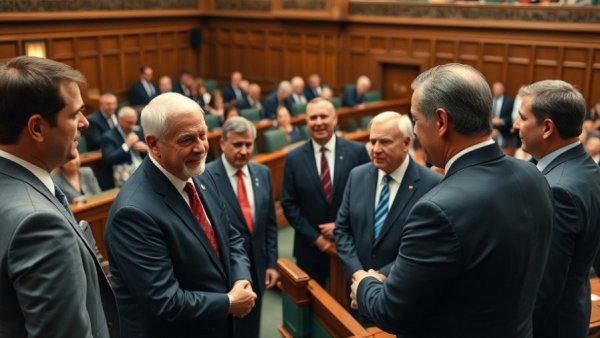
Republican Senators Hold the Line in Texas Politics
The recent election of Vikki Goodwin as Texas's first Democratic lieutenant governor in over two decades signals a substantial shift in the state's political landscape. With a Democratic majority now poised to steer the ship of state, the Republican legislators in the Texas Senate find themselves in a precarious position. Not only do they hold a slim advantage in the Senate, but they also represent the last bastion of Republican power within a Capitol increasingly influenced by Democratic initiatives.
The Fragile Balance of Power
As of January, the Texas Senate will consist of 19 Republicans and 12 Democrats. This narrow majority gives the Republicans a crucial role in shaping chamber rules that previously empowered their Democratic counterparts. The Senate has historically been a powerful gatekeeper in Texas politics, and the chamber's rules, set at the beginning of each legislative session, will directly affect Goodwin's influence and the trajectory of her agenda.
Goodwin's victory doesn’t just herald a new era for the lieutenant governorship; it potentially reshapes legislative dynamics. During his tenure, former Lt. Gov. Dan Patrick exercised almost unilateral control over the Senate, enabling him to determine which bills reached the floor and how the Senate operated. Goodwin's rise brings uncertainty to this established order, as she aims to wield her authority effectively, despite efforts by the GOP to limit her powers.
What the Future Holds for Texas Politics
Many in the Republican Senate see their role as crucial not merely for their party’s survival, but for maintaining a check on Goodwin’s agenda. As noted by Sen. Charles Schwertner, “Texas stands as long as the Texas Senate Republican caucus holds the line.” This reflects a broader belief among GOP legislators that they can mitigate the impact of the incoming Democratic leadership.
However, the dynamic is not just about blockades. The Republican senators face the challenge of adapting to a shifting political landscape while nurturing their influence. Instead of fully resisting the impending changes, some senators might find opportunities to negotiate legislation that reflects a balance of interests, offering compromises that resonate with their constituents.
Broader Implications for Texas Residents
The ongoing tug-of-war between parties has far-reaching implications for Texans across various concerns, from healthcare and education reforms to economic policies and public safety issues. As Goodwin prepares to take office, the Republican Senate must navigate this landscape deftly, understanding that their actions will directly affect their constituents.
For Texas professionals, business owners, and residents, the evolving power dynamics may be an opportunity to push for meaningful changes in labor laws, education funding, and health services, making active engagement in local politics more crucial than ever. The onus now lies on both parties to listen closely to the needs and desires of their voters.
Decisions Ahead: How Texans Can Influence Their Future
This year’s elections have laid bare the importance of civic engagement and participation in the democratic process. With key votes and legislative decisions looming, Texans should actively educate themselves on local policies, candidate positions, and the implications of proposed legislation. By staying informed and involved, citizens can effectively advocate for the changes they want to see.
The upcoming legislative session promises to be a pivotal moment in Texas politics. Texans must remain vigilant and proactive to ensure that their voices are heard amidst the shifting tides.





Write A Comment