


Understanding Frozen Shoulder: A Common Yet Overlooked Condition
For women over 40, experiencing difficulty with shoulder mobility may feel disconcerting, especially when the seemingly benign task of reaching for the seatbelt becomes painfully impossible. This issue, often termed "frozen shoulder," affects a significant percentage of women during this stage of life, primarily due to hormonal changes that begin well before menopause. Connecting the dots between fluctuating hormones and shoulder issues not only clarifies the underlying causes but also sheds light on potential remedies.
In the video 'Shoulder Pain After 40? It Starts Years Before Menopause', we delve into the significant connection between hormonal changes and joint health, prompting a closer look at how these factors influence mobility in women over 40.
The Role of Hormones: Why Women Are More Prone to Shoulder Issues
The hormone receptors lining the connective tissue in the shoulder joints respond dynamically to variations in estrogen and progesterone. As women approach menopause, levels of these hormones drop significantly, impacting joint health. This decline can lead to inflammation and stiffness, often manifesting as difficulty in shoulder mobility.
Interestingly, research indicates that over 70% of individuals diagnosed with frozen shoulder are women aged between 40 and 60. Understanding this demographic susceptibility reveals why addressing hormonal imbalances can be the first line of defense against developing painful shoulder conditions.
Nutrition: Feeding Your Body the Raw Materials It Needs
Nutrition plays a vital role in hormone production and joint health. As the transcript emphasizes, cholesterol serves as a foundational component for synthesizing hormones like estrogen and progesterone. Yet, with contemporary dietary misconceptions often demonizing cholesterol, it’s crucial to reevaluate these beliefs. Incorporating healthy sources of cholesterol, such as egg yolks and fatty fish, can help restore balance and support joint function.
Additionally, maintaining adequate levels of vitamins, especially Vitamin D, is essential. The transcript points out that many women experience vitamin D deficiency around menopause, exacerbating inflammation. Solutions such as supplementing Vitamin D3 alongside K2 and magnesium can aid absorption and effectiveness, helping to alleviate symptoms of frozen shoulder.
Beyond Hormones: Other Factors Contributing to Shoulder Pain
Hormonal fluctuations aren't the sole contributors to shoulder pain. As highlighted, stress can significantly affect adrenal function, compounding issues like frozen shoulder. The body compensates for diminishing hormone production by tapping into the adrenal glands, which can lead to an overload situation. Understanding this link allows women to take proactive measures, such as stress management and incorporating mindful practices.
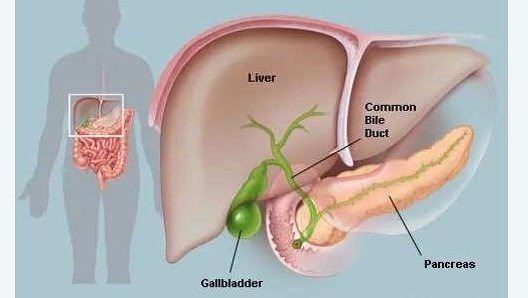
Moreover, sometimes pain in the shoulder may be referred from issues in the gallbladder or liver, necessitating a thorough understanding of individual health symptoms. Techniques like pressing under the ribs may help ascertain the source of discomfort.
Supplementing the Right Way: What You Need to Know
While traditional treatments may offer temporary relief, understanding the root cause is essential for long-term recovery. Many women fall into the cycle of receiving steroid shots that mask pain without addressing the underlying issue. Empowering oneself through nutritional wisdom and lifestyle changes can lead to significant improvements without dependence on pharmaceuticals.
For instance, implementing a regimen of daily Vitamin D3 can enhance overall health significantly. Pair that with dietary changes, such as reducing inflammatory seed oils that exacerbate joint pain, and you're on the path toward better health.
Take Action: Your Path to Healthier Shoulders
Recognizing the signs of frozen shoulder and understanding its symptomatic roots can empower you to take action. By integrating a holistic approach, including dietary adjustments, vitamin supplementation, and stress management, significant improvements are attainable. If you’re over 40 and struggling with shoulder mobility, consider this an opportunity to reevaluate your health and nutrition strategies.
To aid you on this journey, download my comprehensive checklist that outlines daily wellness routines, free of charge, to help you maintain your joint health effectively.



Write A Comment