Understanding Medicaid Work Requirements: The Impact on Native Communities
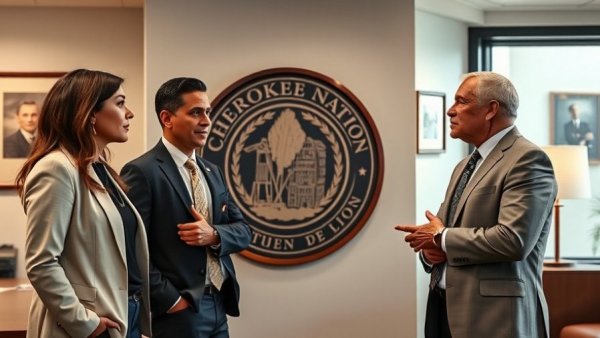
In recent months, the rollout of Medicaid work requirements in North Carolina has raised concerns among Native American communities, particularly the Eastern Band of Cherokee Indians. Although federal rules exempt Indigenous citizens from these requirements, the lack of clear guidance can lead to confusion and potential loss of healthcare coverage. Native leaders, such as Gwynneth Wildcatt and James Burns, express unease over what these changes mean for their tribal members, particularly after seeing significant losses during the 'unwinding' process in 2023 when states resumed eligibility checks.
The Complicated Landscape of Medicaid Eligibility
The Centers for Medicare & Medicaid Services (CMS) published guidance in June that called on states to use existing data to confirm a person's Native American status; however, it did not set a uniform criterion for how states should verify this status. The absence of standardized processes across different states creates a fragmented landscape where individuals may find themselves caught in bureaucracy, risking their Medicaid benefits due to issues like paperwork discrepancies. This variation has led to uncertainty, leaving many tribal members anxious about their healthcare access.
National Trends: What Does This Mean for Native Americans?
The challenge faced by individuals in North Carolina is part of a broader national trend affecting Native Americans across the country. An alarming estimate from May 2024 indicated that approximately 850,000 Native Americans lost their Medicaid coverage—a crisis predominantly spurred by administrative hurdles rather than a lack of eligibility. Many became casualties of complex eligibility checks and inadequate communication from state programs. This results in a significant gap in healthcare access during a time when health and wellness are more critical than ever, especially for communities that have historically faced health disparities.
Calls for Action and Guidance
The need for more robust guidance from CMS has been voiced by tribal leaders and advocacy groups. A letter from the National Council of Urban Indian Health highlighted the urgency of providing clear protocols that respect Native autonomy while safeguarding their health coverage. As A.C. Locklear of the National Indian Health Board points out, a comprehensive approach involving collaboration between the CMS and tribal health programs is essential to prevent administrative mistakes from decimating healthcare access. It is vital that the needs of Native communities are at the forefront of any changes, ensuring that they receive the necessary support to navigate these complexities.
Moving Forward: What Can Be Done?
To mitigate against the potential fallout from poorly implemented Medicaid work requirements, tribal citizens and health advocates are pressing for specific changes. They demand that states be allowed to trust Native Americans to self-attest their eligibility, a simpler process that would ensure they do not lose coverage due to misleading technicalities. Furthermore, establishing clearer communication channels between state agencies and tribal healthcare providers can help prevent costly mistakes that jeopardize healthcare access. The pressing need for timely CMS leadership addresses the fragmented landscape and protects those who are most vulnerable.
What Local Communities Can Do Now
For residents in San Antonio and similar communities facing health challenges, it’s crucial to stay informed about local health mandates. Whether through participating in community workshops or accessing resources that offer guidance on navigating healthcare systems, individuals should remain proactive. Building community awareness around health and wellness programs can make a significant difference in the lives of many who might feel lost amidst the complexities of ongoing healthcare policy changes. Local advocacy groups can also play a pivotal role in mobilizing community support to address these issues effectively.
Conclusion
As the landscape of Medicaid continues to evolve, the ramifications of newly implemented work rules in North Carolina could serve as a wakeup call for many. It's imperative for both state and federal entities to prioritize clear communication and collaboration with Native communities to preserve essential health services. The stakes are high, and the voices of Native Americans need to be heard. By advocating for transparent processes and self-attestation, communities can help ensure that vulnerable populations do not fall through the cracks and can access the healthcare they desperately need.



Write A Comment