

Did you know? San Antonio, Texas, is among America’s fastest-growing cities—attracting newcomers with its blend of historic grandeur and modern vibrancy. This comprehensive guide doesn’t just stop at the Alamo; instead, it uncovers the cultural riches, unique character, and everyday life that define San Antonio Texas today. Whether you’re curious about its iconic River Walk, its heritage sites, or what it’s like to settle down in Bexar County, dive in for an insider's journey through the Alamo City!
An Unconventional Introduction to San Antonio Texas: Beyond the Alamo
San Antonio Texas is more than just the home of the legendary Alamo. While many associate the city solely with this iconic landmark, San Antonio thrives on a dynamic blend of old and new—where centuries-old missions seamlessly share space with bustling downtown skyscrapers. Walking along downtown San Antonio, you’ll see colonial relics alongside modern art, and hear languages and flavors that echo the city’s status as the heart of South Texas.
From mariachi bands playing at riverfront cafes to innovation hubs powering the local economy, San Antonio is continually evolving. Whether you’re a history lover, a foodie, or simply searching for a welcoming community, you’ll find something to love in this vibrant city. The River Walk alone hosts millions each year, serving as the lifeblood of both culture and commerce—a true testament to how the past and present flow together in San Antonio Texas.
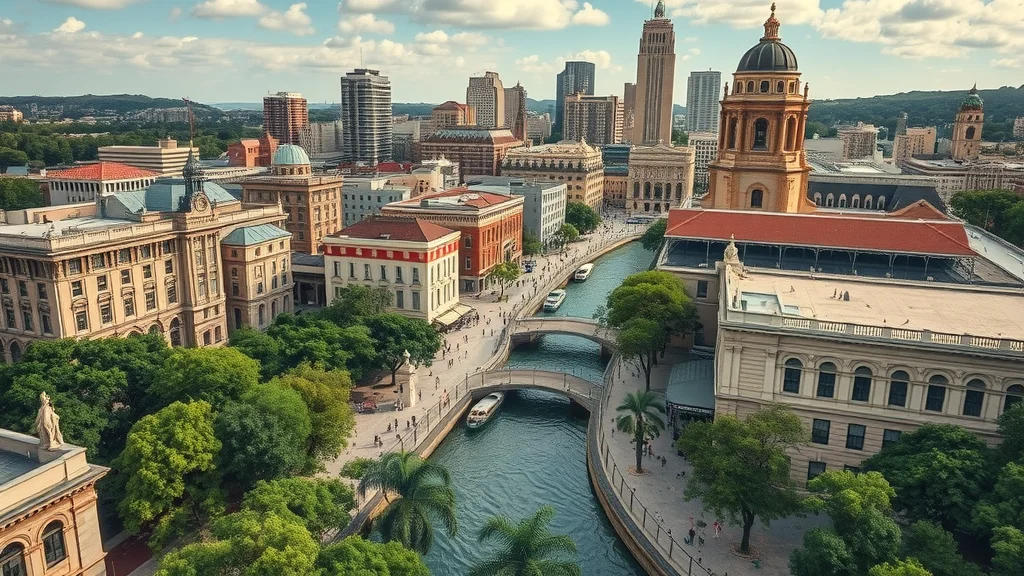
"San Antonio, Texas, consistently ranks among America’s fastest-growing cities, blending historical grandeur with modern vibrancy."
What You'll Learn About San Antonio Texas
- The unique cultural, historical, and economic factors that define San Antonio Texas.
- Local insights into iconic landmarks like the River Walk and San Antonio Missions.
- An understanding of the city’s place within Bexar County and its community.
- Answers to top questions, including living costs, best attractions, and more.
San Antonio Texas: City Overview and Urban Identity
The Story Behind San Antonio’s Name and Legacy
San Antonio Texas takes its name from Saint Anthony of Padua, given by Spanish explorers who camped along the San Antonio River on June 13, 1691. Over centuries, the city’s roots expanded as it grew from a Spanish settlement into a diverse metropolis. Living up to its nickname, the Alamo City, San Antonio reflects a deep tapestry woven from colonial times, the influence of Spanish missions, and the convergence of many cultures, including Native American, Mexican, European, and American.
This vibrant culture is what shapes San Antonio’s identity today. The city’s historical significance extends beyond its architecture—it's seen in folkloric celebrations, culinary innovations, and the everyday life of its citizens. From the River Walk to the neighborhoods filled with art, music, and traditions, San Antonio’s legacy is celebrated and reinvented with every new generation.
San Antonio’s festive spirit is also reflected in its unique local events and fundraisers, such as the Krampus Masquerade, which blend tradition with modern celebration. If you’re interested in experiencing one of the city’s most creative gatherings, discover how the Krampus Masquerade Fundraiser brings a playful twist to San Antonio’s vibrant Fiesta season and supports the community in memorable ways.
Bexar County and San Antonio Texas: Heart of South Texas
San Antonio serves as the beating heart of Bexar County, a central hub in South Texas. The relationship between San Antonio and its county is symbiotic—Bexar County provides the landscape, while San Antonio brings the life. As one of the largest counties in the state, Bexar County cradles a city renowned for its diversity, military presence, and economic opportunity.
The city of San Antonio is deeply connected to the communities surrounding it. Many family-owned businesses, dynamic neighborhoods, and rich traditions stem from its position within Bexar County. This relationship helps fortify the city’s position not just in Texas but throughout the United States, making it an essential destination for culture, commerce, and connection.
"San Antonio is the soul of Bexar County—a vibrant tapestry woven from centuries of history and diversity."
San Antonio Texas Through the Ages: A Brief Historical Timeline
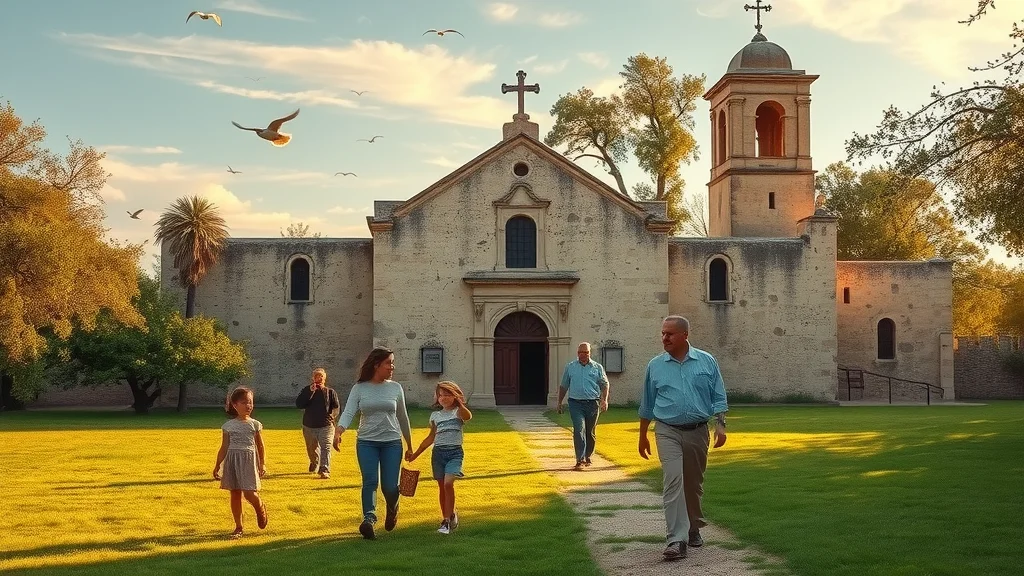
Origins: From Spanish Settlement to Modern Metropolis
San Antonio Texas was founded in 1718 as a colonial outpost, making it one of the oldest cities in the United States. Early Spanish settlers established military presidios and missions along the San Antonio River to strengthen Spain’s foothold in the New World. These missions, like San José and Concepción, started as spiritual and agricultural centers for Native Americans adapting to Spanish ways, laying the foundation for the city’s multicultural identity.
As time passed, San Antonio flourished: first as a military center during the Texas Revolution, then as a key trade hub along routes between the United States and Latin America. Today, the city is a vibrant metropolis with a population spanning all backgrounds. Its rich past continues to inspire local artists, business owners, and residents who both preserve and reimagine the city’s purpose for a new generation.
The Role of the San Antonio Missions and World Heritage Status
The San Antonio Missions are living monuments to the city’s colonial past, with several designated as a UNESCO World Heritage Site in 2015. This distinction highlights the global importance of these stone churches, agricultural lands, and the acequia water system that sustained them. The four Missions—Concepción, San José, San Juan, and Espada—along with the Alamo, form the core of the San Antonio Missions National Historical Park.
Their status as a world heritage site ensures preservation efforts and brings worldwide attention, encouraging visitors from across the globe. This international recognition underscores San Antonio Texas as not just a local or state treasure, but a significant part of global heritage reflecting the exchange of cultures between Europe and the Americas.
San Antonio Texas as a National Historical Landmark
San Antonio Texas stands as a symbol of American history, with many sites—like the Alamo and the San Fernando Cathedral—earning the status of National Historic Landmarks. These places serve as educational touchstones, drawing millions of tourists and locals alike to reflect on defining moments such as the Texas Revolution and the city’s colonial beginnings.
The city of San Antonio, in its entirety, is often seen as a living museum, where every plaza and park tells a story. This ongoing celebration of legacy ensures that future generations not only remember the past but continue to build a city of inclusivity, innovation, and pride.
Watch: A visual journey through the history of San Antonio Texas and its world heritage sites—including the Missions and River Walk—offers powerful insight into the events and architecture that make this city so unique.
Landmarks That Shape San Antonio Texas
River Walk: The Lifeline of San Antonio Texas
No symbol captures the energy of San Antonio Texas quite like the River Walk. Winding for miles through the heart of downtown, this stunning network of pathways, bridges, and lush landscaping brings locals and visitors together along the scenic San Antonio River. The River Walk is more than a tourist attraction—it's the cultural artery of the city. Lively branches extend into historic districts, bustling markets, and serene parks.
Restaurants, boutiques, and music venues cluster along the banks, while riverboats glide past landmark hotels and cafes—creating unforgettable memories day or night. Year-round, the River Walk hosts some of San Antonio's most notable events, from lighting the river with holiday lights to vibrant parades that showcase the city’s artistic and multicultural pulse. Simply put, the River Walk defines downtown San Antonio and brings together the best of urban and natural Texas.
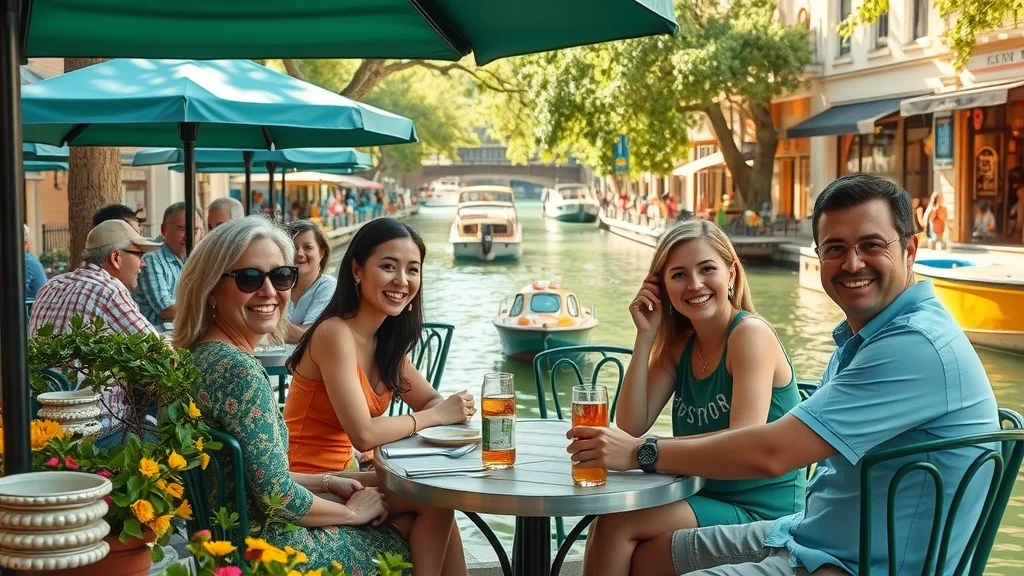
San Antonio Missions National Historical Park and Its Global Importance
The San Antonio Missions National Historical Park is unique among American landmarks. As the only UNESCO World Heritage site in Texas, it celebrates both architectural grandeur and the extraordinary confluence of Spanish, Native American, and Mexican cultures. The park preserves not just the ancient churches and grounds but also the ways the missions transformed the city’s landscape and society.
Thousands visit annually to walk shaded paths lined with wildflowers and stone irrigation ditches, retracing the footsteps of generations past. This park provides invaluable educational opportunities for families and students interested in history and architecture, while also serving as a tranquil space for contemplation and recreation. For locals, it's a cherished reminder of San Antonio’s historical journey and its continuing role in fostering community.
Exploring the San Antonio Zoo and Urban Green Spaces
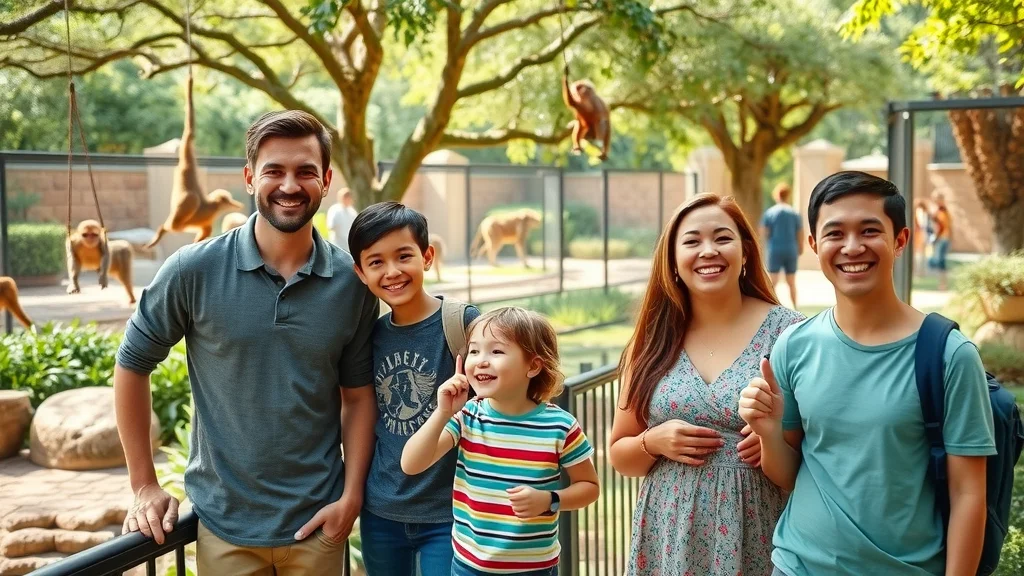
The San Antonio Zoo, established in 1914, is another beloved urban destination. Stretching over 35 acres and housing thousands of animals, it appeals to families and wildlife enthusiasts alike. The zoo is set within Brackenridge Park, a sprawling network of green spaces including walking trails, picnic areas, and the Japanese Tea Garden—offering a refreshing contrast to downtown’s bustling streets.
Urban parks in San Antonio Texas are essential gathering places, hosting everything from yoga by the river to major festivals and community events. They reflect the city’s commitment to environmental stewardship and public health, making San Antonio not just fun to visit, but truly livable and family-friendly.
The Cultural Fabric of San Antonio Texas
Celebrations, Festivals, and the Vibrant Spirit of San Antonio Texas
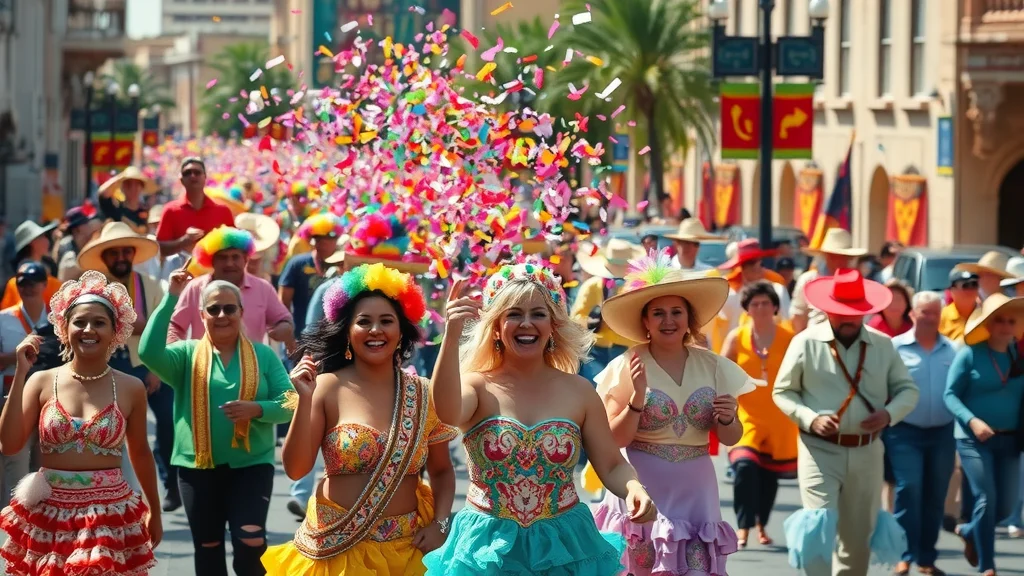
Life in San Antonio Texas is punctuated by celebrations—each more colorful and spirited than the last. Fiesta San Antonio, the city’s largest annual festival, draws locals and tourists for parades, music, food, and dazzling displays of heritage and creativity. Throughout the year, neighborhoods come alive with cultural events: Dia de los Muertos processions, rodeos, folklorico performances, and mariachi gatherings.
These festivals reflect the diverse communities that call San Antonio home. They bring together people of all ages and backgrounds, fostering a sense of unity and pride that’s rare in cities of this size. The vibrant culture of San Antonio is rooted in its willingness to honor the past while joyfully embracing modern life.
San Antonio Texas Cuisine: Tex-Mex, Barbecue, and Beyond
If you ask anyone what makes San Antonio Texas deliciously different, they’ll say it’s the food! The city is a culinary capital, known for inventing and perfecting Tex-Mex cuisine. From sizzling fajitas and cheesy enchiladas to sweet pan dulce and smoky barbacoa, food in San Antonio is about more than flavor—it’s about tradition, innovation, and celebrating local ingredients.
You’ll find barbecue joints beloved for slow-smoked brisket, vibrant Mexican bakeries, lively street taco stalls, and farm-to-table restaurants all within blocks of one another. But the city’s culinary scene goes further: chefs experiment with Asian, European, and Latin American flavors, making San Antonio a paradise for adventurous eaters and comfort food seekers alike.
"San Antonio’s culinary culture is where tradition meets innovation, with a dish for every palate."
Watch: Experience the liveliest festivals and street scenes in San Antonio Texas—discover music, dance, and flavors that bring the city to life.
San Antonio Texas: Modern Living and Urban Opportunities
Education in San Antonio Texas: Universities and Academic Prowess
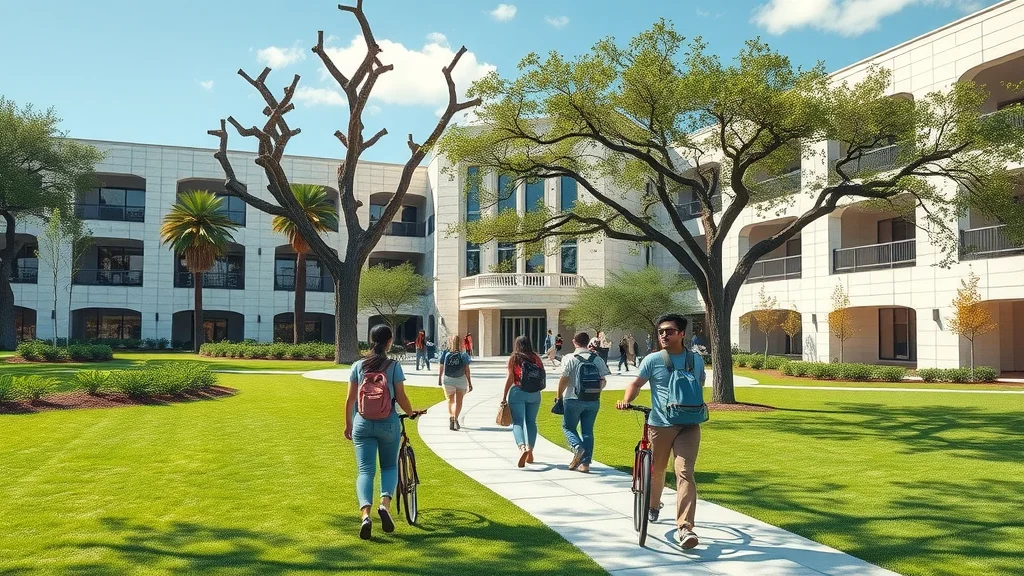
Learning is at the heart of San Antonio Texas. The city is home to top-ranked universities such as The University of Texas at San Antonio (UTSA), Trinity University, and Texas A&M University-San Antonio. With a strong focus on business, science, engineering, and liberal arts, these institutions attract talent from across the United States and Latin America.
Beyond universities, the city fosters robust K-12 education systems, dynamic charter schools, and community colleges supporting continuing education. As a result, San Antonio’s workforce is young, diverse, and ready to meet the evolving needs of a growing economy. From research partnerships to innovative tech hubs, education drives San Antonio’s future.
The Economic Landscape of San Antonio Texas
San Antonio Texas is one of the fastest-growing metro areas in the United States. Its economy is driven by a mix of traditional and high-tech industries—from military bases and healthcare systems to a booming hospitality sector and a rising number of startups. Companies in aerospace, cybersecurity, and bioscience are making their mark, strengthening San Antonio’s role in the Texas and national economies.
Located along major trade corridors and close to the U.S.-Mexico border, the city benefits from international commerce. Combined with a lower cost of living than many large cities, San Antonio offers great value and opportunity for entrepreneurs, students, and established professionals alike.
Neighborhoods of San Antonio Texas: Where Community Thrives
Each neighborhood in San Antonio Texas has its own distinct personality. Historic areas like King William are filled with Victorian mansions and art galleries; the bustling Pearl District is known for food halls, boutiques, and riverside markets; while the West Side maintains a close-knit community with deep cultural traditions.
Whether you’re seeking family-friendly suburbs, vibrant arts districts, or up-and-coming urban spaces, San Antonio delivers. Parks, markets, weekly events, and neighborhood associations foster a strong sense of belonging. This unique urban fabric is one of the many reasons why “the city of San Antonio” is consistently ranked as one of the best places to live in Texas.
| San Antonio Landmark | Year Established | Annual Visitors |
|---|---|---|
| River Walk | 1940 | ~14 million |
| Alamo | 1718 | ~2.5 million |
| San Antonio Zoo | 1914 | ~1 million |
| Missions National Historical Park | 1978 | 900,000+ |
People Also Ask About San Antonio Texas
Is San Antonio, Texas a good place to live?
Absolutely! San Antonio Texas is renowned for its welcoming communities, affordable living costs, and rich cultural scene. The city offers a wide range of housing options, top-rated schools, and one of the fastest-growing job markets in the United States. With an abundance of parks, festivals, and diverse neighborhoods—there’s truly something for everyone, making it an excellent city to call home.
What are the biggest issues in San Antonio?
Like any major city, San Antonio faces challenges. Residents cite areas for improvement such as transportation, traffic congestion in rapidly expanding regions, and addressing disparities in educational and economic opportunities across neighborhoods. However, the city is committed to ongoing improvements, seen in revitalization projects and community initiatives, helping it to remain vibrant and welcoming for both residents and newcomers.
Is San Antonio River Walk worth it?
Yes! The River Walk is the crown jewel of San Antonio Texas and a must-experience for visitors. Whether you’re dining at a riverside café, exploring public art, or simply strolling under cypress trees, the River Walk delivers a magical blend of beauty and entertainment that sets San Antonio apart from any other city in Texas.
Is it expensive to live in San Antonio?
Compared to other large Texas cities like Houston or Austin, San Antonio Texas offers a significantly lower cost of living. Housing remains relatively affordable, and everyday expenses like groceries and utilities are manageable for most residents. This makes the city attractive for families, young professionals, and retirees alike.
Answers to Popular Questions About San Antonio Texas
San Antonio balances affordability with opportunity—offering historic charm, modern amenities, and a strong sense of community. Whether you’re interested in the arts, education, or outdoor adventures, there are ample resources and activities to enjoy. Neighborhoods are diverse, and the city’s commitment to inclusivity and progress means there’s always more to discover.
FAQs on San Antonio Texas
-
What is the population of San Antonio Texas?
As of 2024, San Antonio’s population is over 1.5 million, making it the seventh largest city in the United States and second largest in Texas. -
What is San Antonio Texas known for?
The city is famous for the Alamo, River Walk, historic missions, vibrant Tex-Mex cuisine, Fiesta San Antonio, and its strong military presence. -
How does San Antonio Texas compare to Houston or Dallas?
San Antonio boasts a slower pace of life, lower living costs, and deep historical roots, while maintaining all the amenities of a big city. It’s often seen as more community-oriented and culturally distinctive. -
What is the climate like in San Antonio Texas?
The city experiences a warm, semi-arid climate—hot summers, mild winters, and an average annual temperature of about 70°F. Outdoor activity is a central part of life here.
Key Takeaways About San Antonio Texas
- San Antonio Texas is a city of rich history, culture, and opportunity.
- Landmarks like the River Walk and San Antonio Missions define its landscape and spirit.
- Consistently ranked as one of the best places to live for its diversity and community.
From historic missions to lively festivals, San Antonio Texas pulses with life, diversity, and unending growth. Whether you’re planning a visit or considering a move, uncover the best of what San Antonio Texas has to offer—start your journey today.
San Antonio’s story is always evolving, and there’s no better way to experience its dynamic culture than by joining in the city’s most imaginative celebrations. If you’re ready to dive deeper into the heart of local festivities and discover how tradition meets creativity, explore the excitement of the Krampus Masquerade Fundraiser during Fiesta season. This event is just one example of how San Antonio brings people together for unforgettable moments, blending heritage with a playful twist. Let your curiosity lead you to new experiences and connections in the Alamo City—there’s always something extraordinary waiting around the corner.
No external links could be added.


Write A Comment