

Did you know that San Antonio is not only home to Texas’ only UNESCO World Heritage Site, but it’s also the oldest chartered civil settlement in the state? Beyond the well-known Alamo, this city preserves a tapestry of surprises—centuries-old missions, vibrant neighborhoods, and underexplored legends—all interwoven with the evolving spirit of South Texas. This article reveals those hidden gems and brings to light the remarkable stories that have shaped the history of San Antonio Texas.
Startling Insights: Unveiling Surprising Facts about the History of San Antonio Texas
The history of San Antonio Texas is more astonishing than textbooks reveal. Long before it was a bustling city, the area was home to more than a dozen indigenous groups who called the region “Yanaguana,” meaning “refreshing waters.” After its formal founding in 1718, San Antonio grew under the banners of several nations—Spain, Mexico, the Republic of Texas, and the United States—each leaving their own mark. This convergence birthed a richly layered legacy, from the epic stand at the Alamo to the multicultural rhythms along the River Walk.
The city’s downtown still boasts plazas like Main Plaza and market squares nearly as old as the city itself. Meanwhile, many pass right by treasures like La Villita and the preserved colonial acequia system without realizing they’re walking through living history. These landmarks, coupled with ongoing preservation, prove why exploring the history of San Antonio Texas isn’t just about sightseeing—it’s about experiencing a living, breathing chronicle of American identity.
"San Antonio's vibrant past is filled with untold stories and enduring legacies, making it a living testament to the region's evolving character."
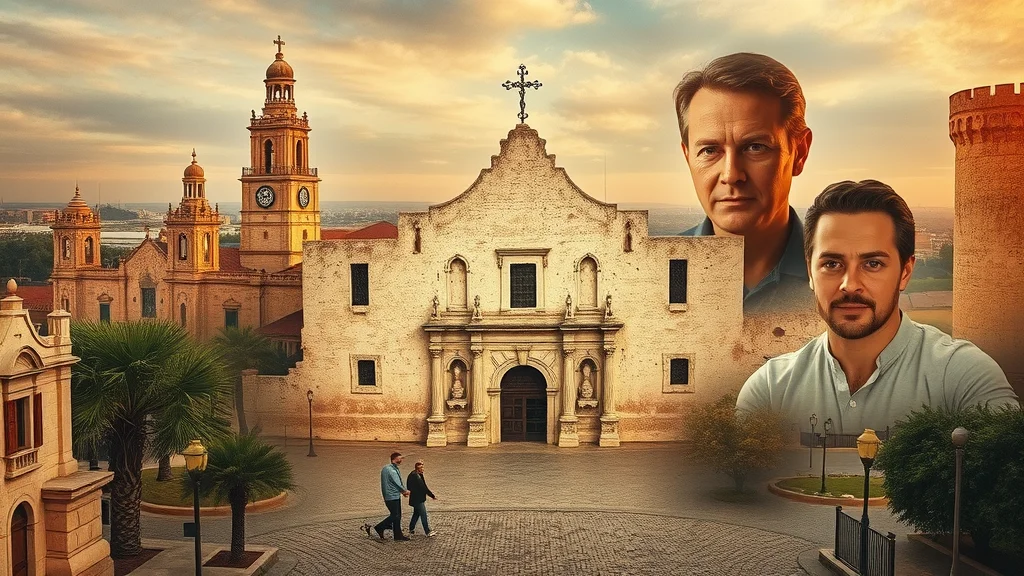
What You'll Learn about the History of San Antonio Texas
- Little-known origins and unique milestones in the history of San Antonio Texas
- The influence of missions and heritage sites on modern San Antonio
- Key figures, events, and settlements that shaped Bexar County
- Fascinating cultural and architectural heritage such as La Villita and San Fernando
- How world heritage designations have elevated the city’s historical prominence
Overview: The History of San Antonio Texas in Context
The history of San Antonio Texas stands as a bridge between the ancient world of the continent’s native peoples and the modern United States. Founded over 300 years ago, its story is intertwined with the Spanish crown’s efforts to expand northward and the subsequent transitions through Mexican, Texan, and American governance. At the crossroads of the Spanish expedition routes and the expansion of the United States westward, San Antonio emerged not just as a military or religious outpost but as a dynamic center of commerce, culture, and conflict.
Today, San Antonio’s role within Bexar County and its place in national historical memory is amplified through its preservation of unique architectural sites, like the San Antonio missions—remarkable for their continued use and community focus. By anchoring itself in the narratives of both indigenous inhabitants and later settlers, the city exemplifies the rich mosaic of American identity. To understand the United States’ development, especially its Southwest, is to uncover the legacy of the history of San Antonio Texas.
"The story of San Antonio Texas is woven into the very fabric of the United States’ march westward, reflecting a confluence of cultures and ambitions."

Placing San Antonio within the Broader History of the United States
San Antonio’s development is deeply embedded in the westward expansion of the United States. It was the first civil settlement in Texas, preceding even cities like Houston and Dallas by over a century. The city’s missions played crucial roles as religious, social, and economic centers for the region. As the United States annexed Texas, San Antonio found itself at the intersection of emerging regional and national identities—its plaza serving as a forum for revolutionary leaders, and its streets walking grounds for both Spanish friars and frontiersmen.
The city’s evolution reflected broader trends in American history: the push for independence, migration westward, and the formation of multicultural societies. Sites like the Alamo captured national attention during the Texas Revolution, imbuing San Antonio with symbolic importance as a bastion of resistance and resilience. Over time, its rich tapestry of influences—from indigenous Yanaguana and Spanish colonization to the vital economic and strategic position within the U.S.—have made the history of San Antonio Texas crucial to understanding not just the state, but the nation as a whole.
Early Beginnings: The First Settlers in the History of San Antonio Texas
What Was San Antonio Called Before?
Before it bore the name we know today, San Antonio was called Yanaguana by the indigenous Payaya people, a word that translates to “refreshing waters.” The area, centered on the river later known as the San Antonio River, sustained thriving native communities for millennia. The name San Antonio originated with a Spanish expedition in 1691, which encountered the river on the feast day of Saint Anthony of Padua—hence “Rio San Antonio de Padua.” This cultural convergence—the transformation from Yanaguana to San Antonio—foreshadowed the city’s unique destiny as a meeting ground for traditions and peoples.
The Arrival of the First Settlers and the Birth of San Antonio de Béxar
Spanish efforts to colonize the region began in earnest in 1718 with the establishment of Mission San Antonio de Valero and a presidio just across the creek. This would later become the site of the famed Alamo. Soon after, the colonial settlement of San Antonio de Béxar was laid out, attracting Canary Islander families, Spanish missionaries, and military personnel. Over time, their settlement grew into a vibrant center—serving as the administrative and political heart of Spanish Texas and later as the stage for critical chapters in Mexican, Texan, and American history.
- Indigenous peoples of the San Antonio area
- Spanish colonization and the founding of Mission San Antonio de Valero
- Naming origins: evolution from Yanaguana to San Antonio

San Antonio Missions and Their Enduring Impact on the History of San Antonio Texas
San Antonio de Valero: The Birthplace of the Alamo
Of all the historical sites in San Antonio, few are as internationally renowned as The Alamo—originally founded as Mission San Antonio de Valero. Established in 1718, this mission marked the growth of the San Antonio missions system, designed to support Spanish efforts at peaceful colonization and evangelization. The Alamo eventually transcended its religious mission, becoming the fortress that witnessed the legendary 1836 battle for Texas independence—a turning point not only for San Antonio but for the whole of the United States.
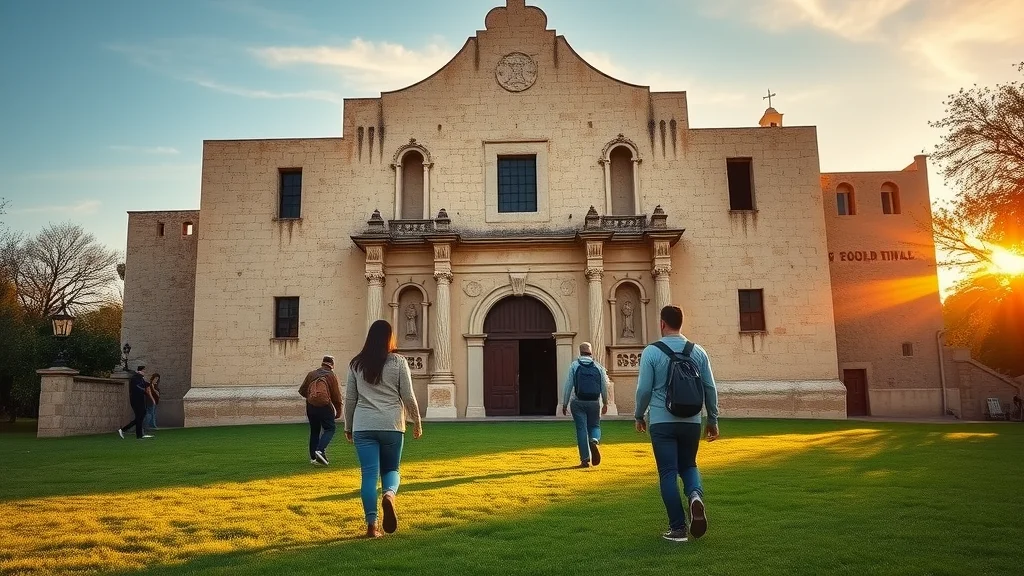
The Role of San Antonio Missions in Shaping Bexar County
The network of missions, including Mission Concepción, San José, San Juan Capistrano, and Espada, created vibrant communities that shaped what would become Bexar County. Each mission was more than a church—it was a center of agriculture, culture, education, and social organization. The labor of indigenous converts and Spanish friars led to the development of acequia irrigation systems, many of which still exist. Through these missions, San Antonio gained a unique identity, blending Spanish, indigenous, and Texan heritages in the creation of enduring neighborhoods and civic traditions.
UNESCO World Heritage Site Recognition: San Antonio Missions and Their Global Significance
In 2015, the San Antonio Missions were designated as a UNESCO World Heritage Site, the only one in Texas. This recognition emphasized their global significance—not only as historic Spanish colonial complexes but also as symbols of intercultural community and innovation. The missions continue to serve as vital hubs, drawing visitors from around the world and teaching lessons about sustainability, coexistence, and perseverance. Their preserved chapels, granaries, and irrigation systems offer a living classroom for anyone interested in the history of San Antonio Texas or the broader saga of the United States.
| Mission Name | Year Founded | Current Status | Notable Facts |
|---|---|---|---|
| Mission San Antonio de Valero (The Alamo) | 1718 | National Historic Landmark | Crucial site in Texas Revolution |
| Mission Concepción | 1731 | World Heritage Site | Oldest unrestored stone church in the US |
| Mission San José | 1720 | World Heritage Site | Largest of the missions |
| Mission San Juan Capistrano | 1731 | World Heritage Site | Known for its agricultural production |
| Mission Espada | 1731 | World Heritage Site | Features original irrigation acequia |

San Antonio: From Colonial Outpost to Modern City
San Fernando and the Birth of a Community
The establishment of San Fernando Cathedral in 1731 and nearby neighborhoods like La Villita marked San Antonio’s transformation from colonial outpost to vibrant town. Built by Canary Islander settlers—forebears of many modern San Antonians—the cathedral is among the oldest continuously operating sanctuaries in the United States. It became a center for community, governance, and celebration, surviving wars and the shifting lines of sovereignty. La Villita, today a thriving arts district, was once the city’s first neighborhood and a cradle for generations of residents and entrepreneurs.
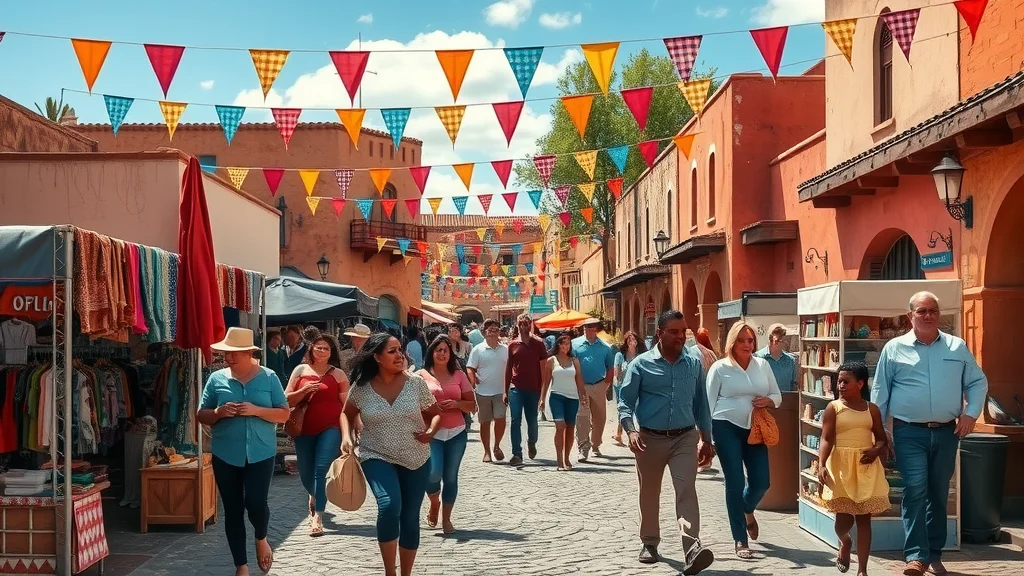
The Growth of La Villita and Its Significance in the History of San Antonio Texas
Throughout the 19th and early 20th centuries, La Villita and surrounding areas became a testament to San Antonio’s resilience and adaptability. The neighborhood weathered sieges, epidemics, and dramatic territorial changes as Texas moved from Mexican rule to independence, and finally became a state in the United States. As civic and economic institutions like city councils, schools, and the iconic Market Square took root, they anchored the local community’s identity. The formation and perseverance of these institutions highlight how everyday lives and traditions have been central to the ongoing story of the history of San Antonio Texas.
- San Antonio's resilience through wars and territorial changes
- Formation of key civic institutions
- Economic and social development through the 19th and 20th centuries
Bexar County: Administrative Heart of the History of San Antonio Texas
Evolution of Governance and the Role of Bexar County
As the city flourished, so did the administrative role of Bexar County. Established in the early 18th century as the administrative seat of Spanish Texas, Bexar County oversaw a vast territory—including present-day West Texas and parts of New Mexico. The county courthouse remains a symbol of the region's commitment to justice, civic order, and continuity, evolving alongside the larger city of San Antonio. Today, the county’s governance balances preservation of history with fostering economic growth and modern infrastructure, ensuring the story of San Antonio is one of both remembrance and renewal.

The Influence of Antonio de Valero and Govertorial Shifts
The legacy of key historical figures, including Antonio de Valero for whom the original mission was named, still has echoes in modern governance and place-names. As control shifted from Spanish viceroys to Mexican governors, and eventually to Texas and U.S. officials such as Sam Houston, each brought their own vision to the region. These shifts often mirrored or even influenced major political trends across North America, making the history of San Antonio Texas a microcosm of broader governmental transformation and adaptation.
Modern Day Legacy: Preserving the History of San Antonio Texas
National Historic Landmarks, Sites, and Living Museums
San Antonio’s commitment to preservation has made it a leader in historic conservation in the United States. Landmarks like The Alamo, Mission Concepción, and the historic Bexar County Courthouse stand alongside living museums, where vibrant neighborhoods animate centuries-old traditions. Ongoing restoration projects ensure the survival of irreplaceable assets like the acequia network and Market Square, allowing residents and visitors to step directly into the city’s past while enjoying its continued evolution.
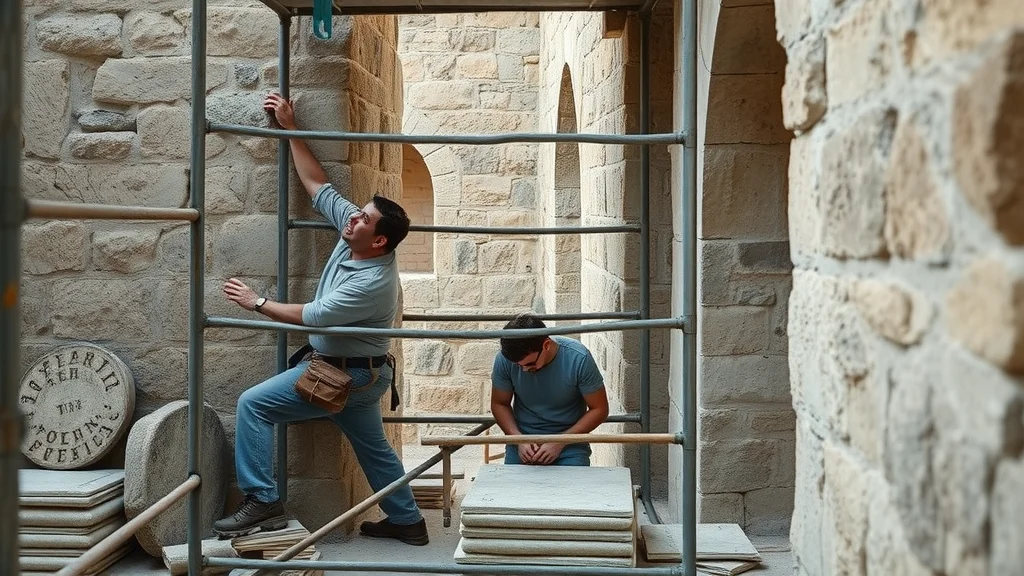
World Heritage and Continuing Preservation Efforts
Receiving World Heritage status for the missions was just the beginning of global recognition for the city’s commitment to historical stewardship. Today, partnerships between the National Park Service, local organizations, and educational institutions like the University of Texas drive preservation, interpretation, and public engagement. Major restoration projects, such as those at Mission San José or the San Antonio River improvements, continue to safeguard these treasures for new generations to discover. Through integration into school curricula and public programs, San Antonio’s unique saga remains at the forefront of Texas—and American—history.
- Major restoration projects
- Integration into educational programs
- Global recognition of San Antonio’s historical importance
Exploring the Hidden Gems: Lesser-Known Stories from the History of San Antonio Texas
Underappreciated Sites: De Valero and San Pedro Springs
While the Alamo draws international crowds, sites like San Pedro Springs Park are essential chapters in the history of San Antonio Texas. San Pedro Springs, one of the oldest public parks in the country, was a gathering spot for indigenous groups for thousands of years, later serving as a campsite for Spanish expeditions and early settlers. De Valero—the original mission complex—reminds us that much of the city’s story began with modest religious communities and the land’s abundant springs.

Notable Figures Who Shaped the History of San Antonio Texas
Beyond household names like Sam Houston and Santa Anna, San Antonio’s history owes a great deal to lesser-known figures. Indigenous leaders, Spanish missionaries, Canary Islander settlers, and local heroes helped forge the city’s resilient identity. Even today, the spirit of these early pioneers resonates in San Antonio’s multicultural festivals, historic neighborhoods, and dynamic communities—which all play an integral role in the ever-expanding history of San Antonio Texas.
"Many of San Antonio's most transformative moments stem from individuals whose names remain unfamiliar, yet whose legacies live on in the city’s culture and spirit."
Watch: Cinematic video montage tracing the evolution of San Antonio from indigenous settlements to present-day city. Sweep through mission courtyards, historic River Walk parades, and archival images that bring this vivid story to life.
Explore: Discover the city’s famed missions in immersive detail, highlighting their ongoing preservation and role as a living part of the community and world heritage.
5 Key Facts about the History of San Antonio Texas
- San Antonio is the earliest chartered civil settlement in Texas.
- The city’s missions are the only World Heritage Site in Texas.
- The iconic Alamo was originally Mission San Antonio de Valero.
- San Antonio’s downtown has preserved its colonial plazas and neighborhoods.
- Bexar County, home to San Antonio, played a vital role in Texas independence.
People Also Ask: Answers about the History of San Antonio Texas
What is the history behind San Antonio?
"San Antonio's history is a testament to cultural convergence—from indigenous roots to Spanish missions, and later, its pivotal role in the Texas Revolution and modern United States."
San Antonio’s history stretches back thousands of years, beginning with indigenous peoples who settled along the river. The arrival of Spanish explorers in 1691 and the founding of Mission San Antonio de Valero (the Alamo) in 1718 marked the start of the city’s formal existence. It served as the capital of Spanish Texas, witnessed battles that shaped the region’s future, and evolved into a modern metropolis at the crossroads of American, Mexican, and Texan heritage. Its ongoing preservation ensures that the city’s role in pivotal national and state events—like the Texas Revolution—remains alive for all.
What are 5 facts about San Antonio?
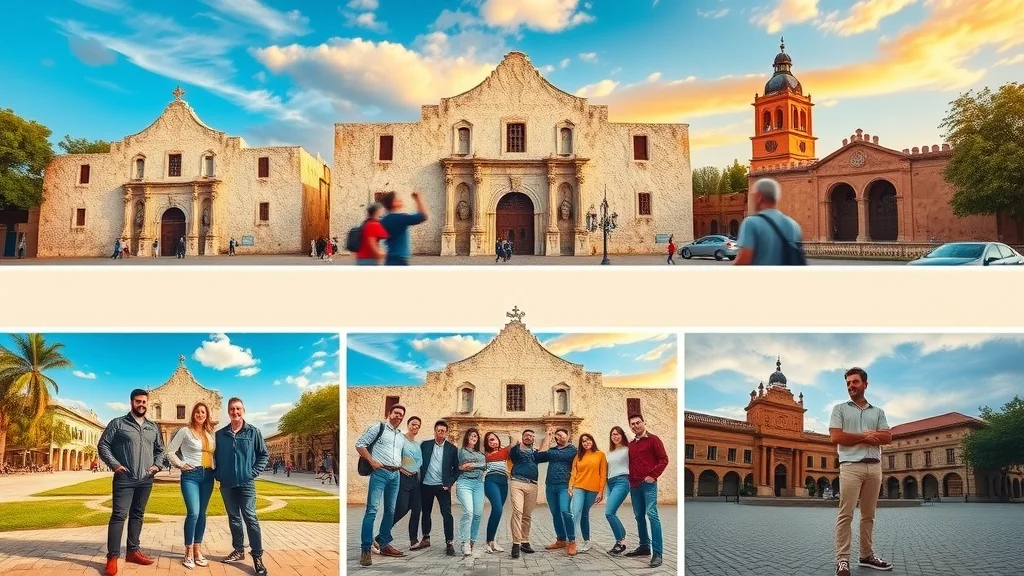
1. San Antonio is Texas’ oldest civil settlement.
2. Its missions form the state’s only World Heritage Site.
3. The Alamo was originally a Spanish colonial mission.
4. Downtown San Antonio has preserved its colonial-era neighborhoods and plazas.
5. Bexar County, with San Antonio as its seat, was central to the fight for Texas independence.
Who were the first settlers in San Antonio, Texas?
The very first human inhabitants of San Antonio were indigenous groups such as the Payaya and other Coahuiltecan peoples, who established a vibrant life along the San Antonio River. In the early 1700s, Spanish missionaries and soldiers founded the first European settlements, soon joined by Canary Islander families seeking new lives in New Spain. These settlers founded missions, established agricultural systems, and helped build what would soon become the city of San Antonio de Béxar and the modern Bexar County.
What was San Antonio called before?
Prior to Spanish contact, the area was called “Yanaguana” by the local Payaya people, referring to the life-giving San Antonio River. With Spanish exploration in the late 17th century, and the naming of the “San Antonio” river (honoring St. Anthony of Padua), the region gradually adopted its modern name as missions and settlements spread throughout Bexar County.
Frequently Asked Questions about the History of San Antonio Texas
-
Why is the history of San Antonio Texas important to the United States?
San Antonio’s layered history provides insight into the broader national story—showcasing early indigenous cultures, Spanish missions, and pivotal moments such as the Texas Revolution that shaped American boundaries and identities. -
What role did San Antonio missions play in shaping Texas culture?
The missions established agricultural, architectural, and social patterns that influenced all of Texas—blending Native American and Spanish traditions into a unique, enduring cultural fabric recognized by UNESCO. -
How has the preservation of historic sites impacted modern San Antonio?
Preservation has brought lasting economic and educational benefits, ensuring residents and millions of visitors can directly experience the city’s extraordinary past in its plazas, missions, and museums.
Key Takeaways: Essential Lessons from the History of San Antonio Texas
- San Antonio’s layered history is vital to understanding Texas and the American Southwest.
- The city’s missions and historic sites serve as beacons of cultural integration and resilience.
- Ongoing preservation ensures that the vibrant stories of San Antonio Texas remain alive for future generations.
Delve Deeper: Plan Your Visit to Explore the History of San Antonio Texas

The hidden gems of San Antonio’s history await your discovery. From strolling the acequia paths to exploring the awe-inspiring missions and lively neighborhoods, let San Antonio surprise you every step of the way.


Write A Comment