A New Kind of Friday Night Lights: Struggling for Healthcare
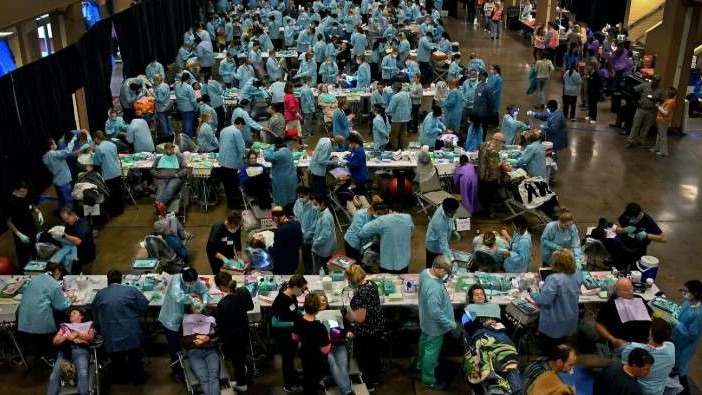
In a scene that diverges sharply from the familiar sounds of cheering crowds and exuberant athletes, the parking lot of Takoma Academy in Takoma Park, Maryland, recently transformed into an unexpected refuge for those in desperate need of healthcare. The dramatic event unfolded not on a football field but outside a temporary clinic run by Remote Area Medical, where dozens of people slept in their cars on a chilly night in October, vying for free medical, dental, and vision care. Remarkably, this suburban sprawl, situated just eight miles from the U.S. Capitol and boasting a median household income exceeding $108,000, stands as a poignant reminder of the stark health equity challenges many face today.
The Personal Stories Behind the Numbers
Among the many stories emerging from this heart-wrenching clinic was that of Kenys Bautista, a payroll specialist who had not received health care in three years due to the prohibitive costs of insurance and care. ‘It’s really sad that a lot of people like me had to sleep in their car just to see a doctor or dentist,’ she lamented. Her experience highlights a troubling paradox in American healthcare; even in affluent areas, significant portions of the population can be financially excluded from receiving necessary treatments. This sentiment echoed throughout the night as patients, some insured yet stymied by high co-pays and deductibles, arrived before dawn in search of relief.
Healthcare Affordability: A Nationwide Concern
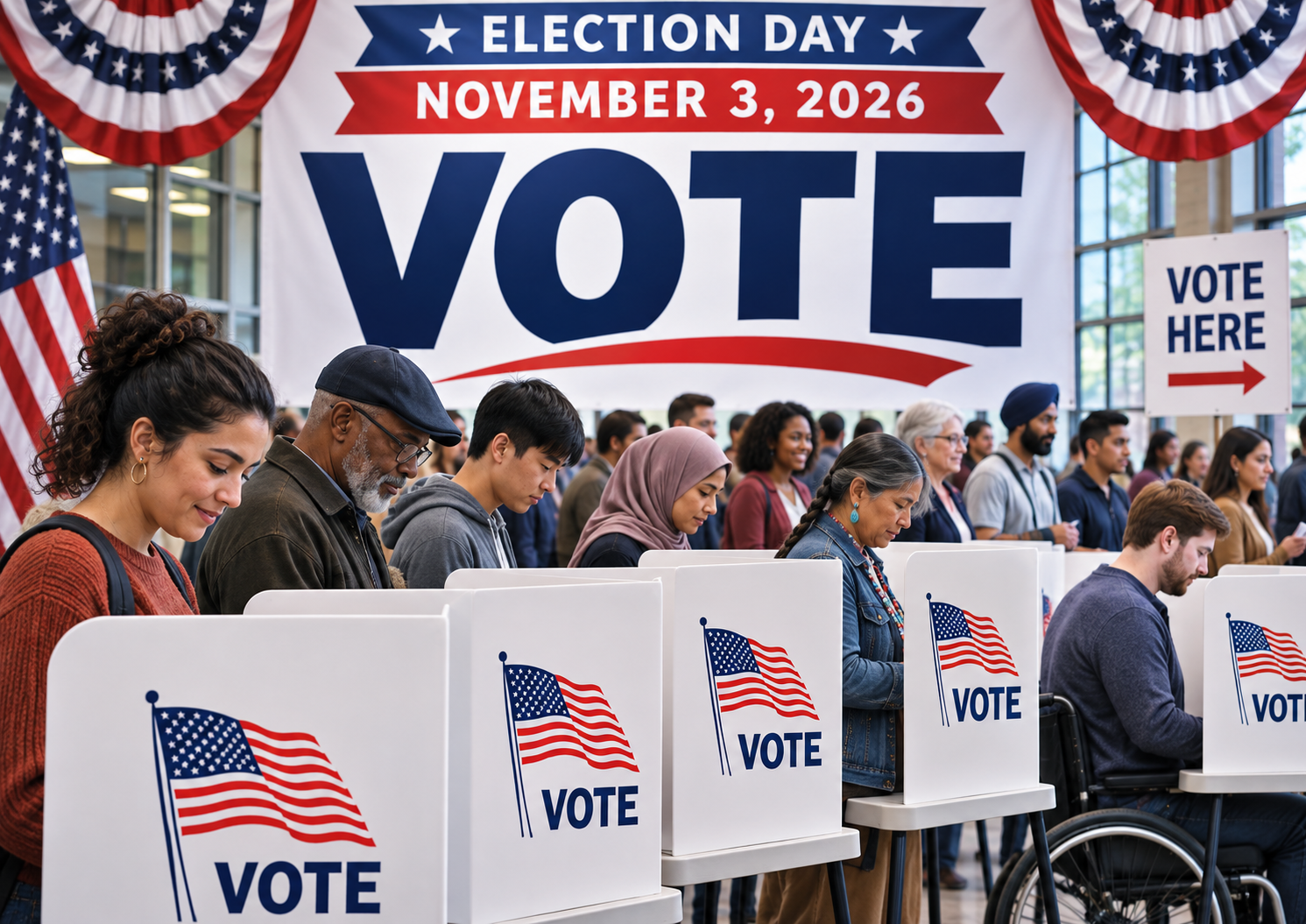
The October weekend clinic not only serves as a microcosm of a broader issue but also sheds light on the critical issue of healthcare affordability. As the 2026 election approaches, political discourse has centered on this urgent topic. Polls reveal that many voters list high healthcare costs among their top concerns. With health insurance often not translating into actual access to care—thanks to high out-of-pocket expenses—individuals are resorting to unconventional measures like sleeping in cars to secure appointments.
The Role of Volunteerism in Addressing Health Care Needs
Volunteers, like the dedicated dentists and healthcare providers from Remote Area Medical, emerge as vital players in combating this crisis. The organization, which has a history of serving the most vulnerable populations, has recently begun redirecting its focus to urban and suburban locales, providing essential healthcare services to individuals many would assume are adequately covered. This shift responds to the increasing recognition that insurance coverage does not equate to accessible or affordable healthcare.
Seeing the Bigger Picture: Community Resilience and Hope
While shadows of hardship loom over the experiences of many patients, acts of compassion and community resilience shine through. At the clinic, many patients left with something they hadn’t seen in years—a sense of agency regarding their health. Alma Walton, a Medicare recipient who was in line for dental care, reflected on this hope: ‘I never thought I would need a clinic like this, but it’s gotten so expensive in the world.’ Despite entering the clinic facing a fog of uncertainty, outcomes such as new eyeglasses and dental treatments paved the way for these individuals toward a healthier future.
What This Means for the Greater Washington D.C. Area
The experiences at Takoma Academy reflect ongoing challenges in the face of healthcare realities in the broader Washington D.C. area – an environment where income levels are deceptively high, yet the need for equitable access to health services persists. The stories emerging from Takoma Park advocate for awareness, understanding, and ultimately, an urgent push for reforms. Public health advocates emphasize that the narrative must shift from viewing healthcare solely as an issue of personal responsibility to addressing systemic inequalities in access and affordability.
As health and wellness trends evolve in San Antonio and across the nation, the imperative for communities to connect over issues of health equity becomes even more pressing. Local groups and initiatives can foster better understanding of these pressing challenges and empower residents to address healthcare disparities actively.
Finding solutions at local and grassroots levels can be powerful, as demonstrated through the Takoma Academy clinic. To address healthcare accessibility issues, supportive frameworks, advocacy programs, and community health services must align to ensure everyone receives the care they deserve.
A Call for Action
As members of the San Antonio community, it is essential to leverage local initiatives, promote health and wellness education, and advocate for more equitable healthcare solutions. Consider reaching out to local health organizations, participating in community health fairs, or advocating for policy changes that prioritize accessibility and affordability in healthcare. Together, we can help create a community where no one has to sleep in their car for the chance to receive critical care.



Write A Comment