

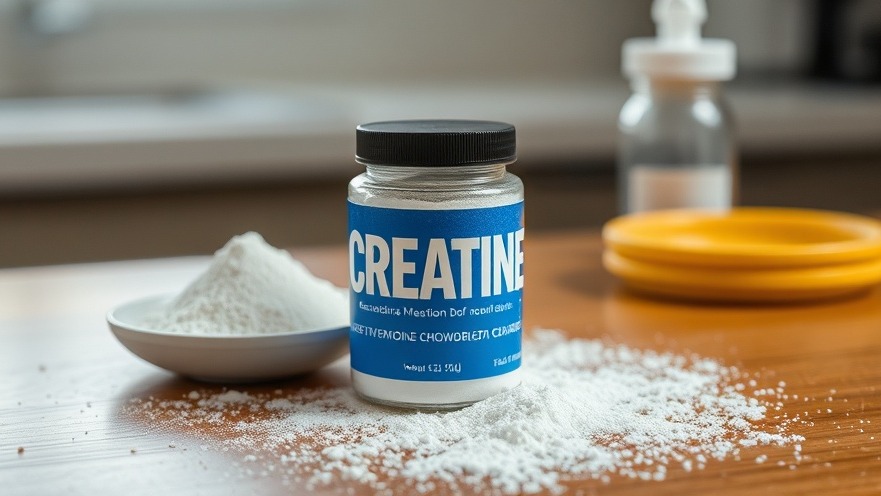
Why Creatine Matters After 50
As we age, maintaining our strength and vitality becomes paramount. One supplement that has gained attention is creatine—a compound often associated with muscle building in younger athletes. But research is increasingly suggesting that for individuals over 50, creatine can play an essential role in preserving muscle mass, enhancing brain function, and promoting overall well-being.
In 'Creatine After 50: What Happens in 30 Days?', we explore the transformative impact of creatine supplementation on health, prompting us to delve deeper into its potential benefits for those over 50.
Unpacking the Benefits of Creatine
Taking creatine after 50 is not merely about aesthetics or athletic performance; it's about quality of life. Studies show that creatine supplementation can help counteract age-related muscle loss, known as sarcopenia. This is especially important as muscle mass naturally declines with age, leading to decreased strength and increased risk of falls and injuries.
Moreover, creatine has been linked to cognitive benefits. Some studies suggest that it may enhance memory and brain function, providing an extra boost in mental agility, which is vital for maintaining independence.
30 Days of Changes: What to Expect
In just 30 days of supplementation, individuals over 50 may start noticing a difference in their energy levels and muscle endurance. This boost can make daily activities easier, whether it's climbing stairs, lifting groceries, or participating in social activities. This improvement can significantly contribute to enhanced overall physical activity and potentially lead to a healthier lifestyle.
Incorporating Creatine into Your Routine
Starting creatine is generally considered safe, but it's essential to approach it thoughtfully. When considering this supplement, one should consult with a healthcare provider to discuss any pre-existing conditions or potential interactions with medications. Generally, a dose of 3-5 grams per day is effective for most people, but individualized advice is always best.
This small adjustment in your daily routine could yield noticeable improvements in your quality of life.
Challenges and Considerations
Despite the benefits, it’s crucial to remember that creatine is not a magic bullet. Older adults should focus on a balanced diet rich in whole foods, along with regular physical activity. Creatine works best when combined with a well-rounded health regimen.
Moreover, misconceptions about creatine being solely for young bodybuilders can prevent older individuals from considering it. This is a reminder that wellness practices should evolve as we age, aligning with the body's changing needs.
Taking the Next Step for Your Health
In conclusion, while our understanding of nutrition evolves, adapting our health practices can significantly impact our lives after 50. Creatine supplementation may well be the key to unlocking better physical and cognitive performance as we age, providing benefits that extend well beyond the gym.
If you're curious about how to enhance your health after 50, consider discussing creatine and other nutrition strategies with your healthcare provider. Embrace the change and take steps toward a more dynamic and fulfilling life!





Write A Comment